As summer rolls into fall, it feels virtually impossible to sum up all the incredible things that happened at our marine station over these past few months – but here is a brief snapshot of just a few highlights. Watch this space for in-depth stories in the coming months!
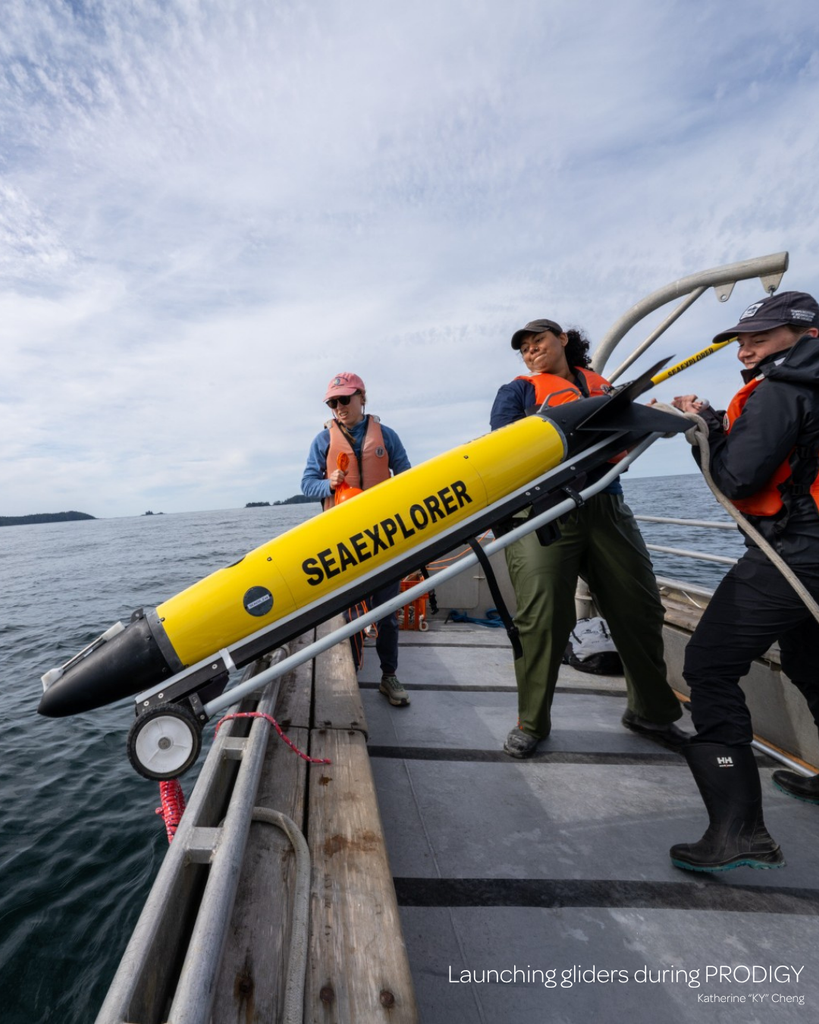
Our Field Trips program supported The PRODIGY field school where Canadian and Chilean students learned firsthand how to carry out marine research in various areas. We also hosted the Biophonic World’s workshop – which explored the intersection of sound, art, and marine and coastal science. Additionally, the team worked on fall and spring programming that will provide hands-on learning for diverse groups of youth, undergraduates, graduate students, and professionals.
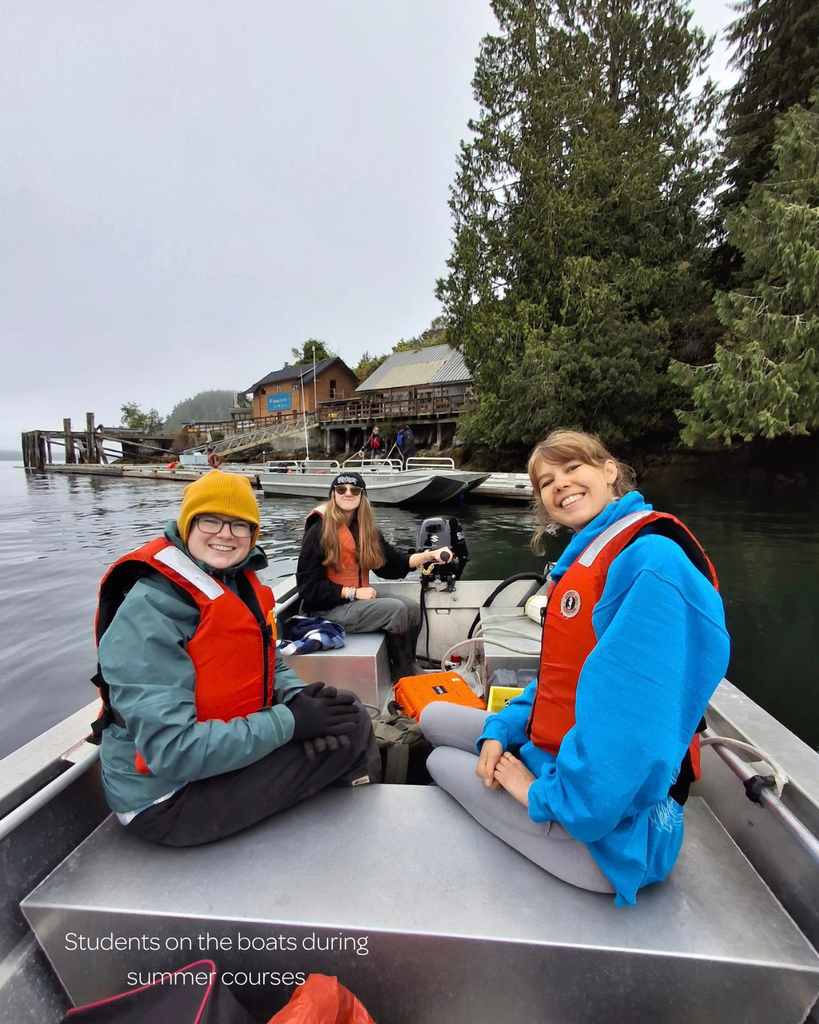
We ran ten immersive summer courses, including the first year of Ecological Data Synthesis and Rapid Evolution in the Anthropocene (both taught by professors that began their academic careers as BMSC). Students were in the lab, out in the field, tackling statistics with R, learning how to communicate science, and more. University Programs manage all of this while getting ready for our Fall Program in Marine Science, which is already off to a great start!
More than 225 unique researchers visited over the summer months.
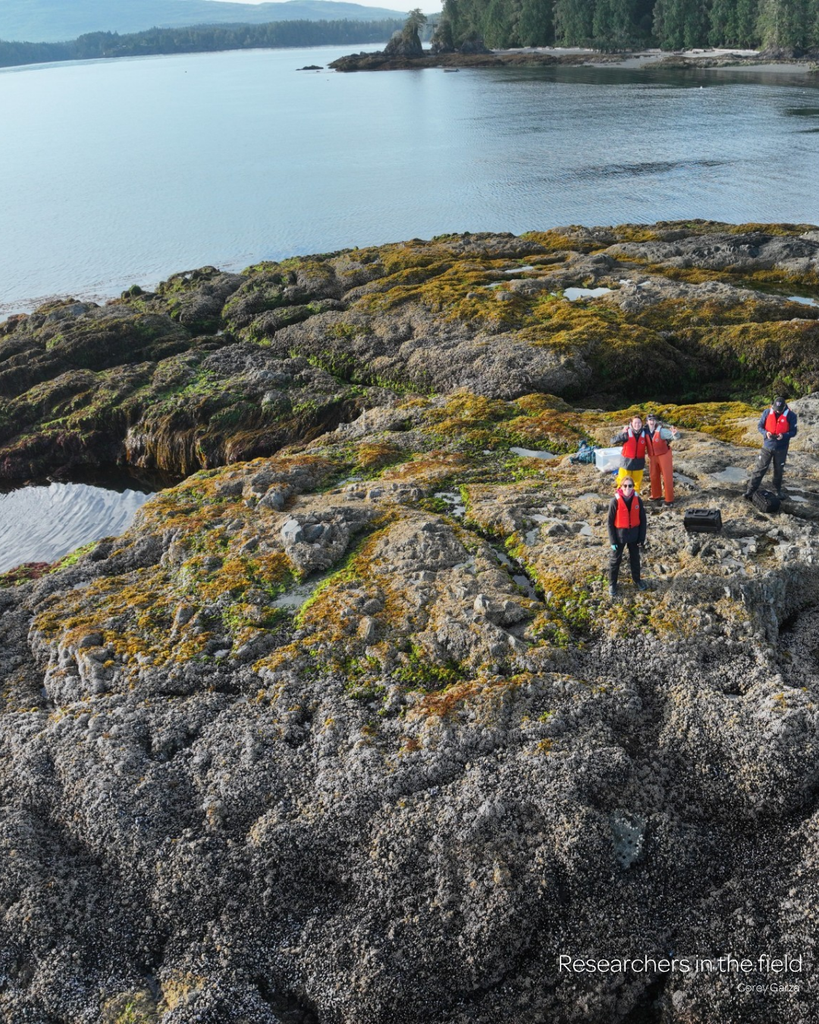
Oceanographers, ecologists, physiologists, among others, come through our station every year, and it is never a dull moment. From managing equipment and chemicals to catching dogfish sharks and keeping organisms healthy and comfortable, the research and animal care teams stay busy.
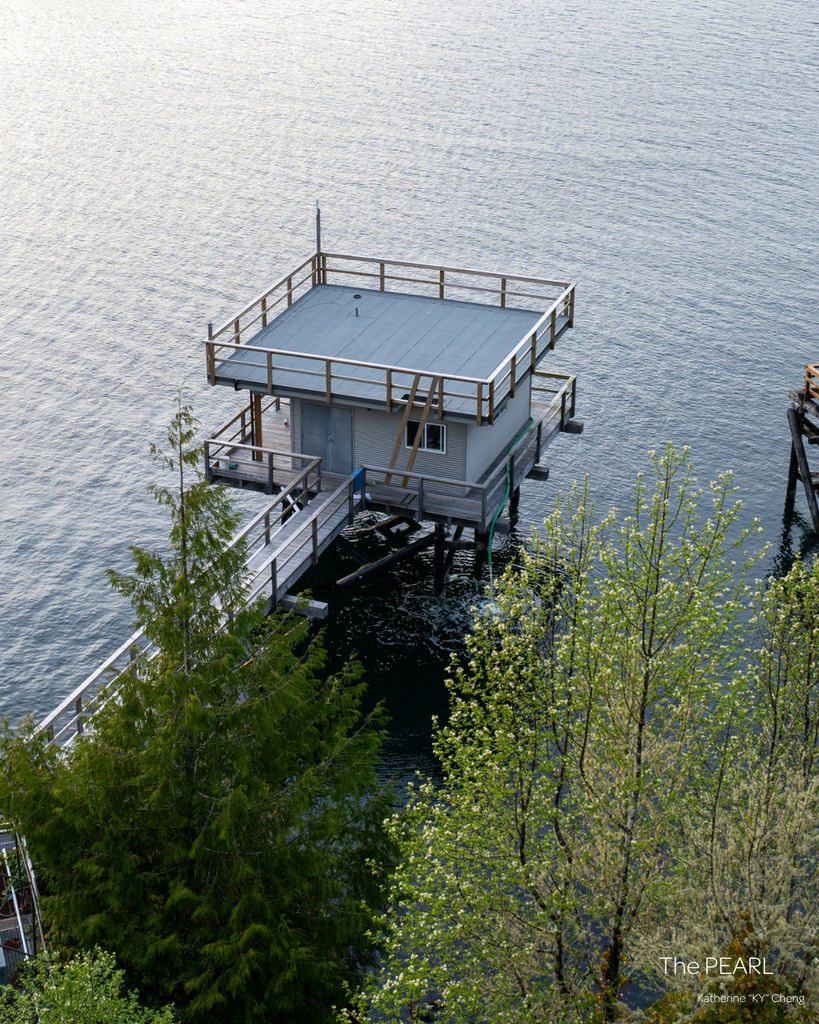
The team also carried out dozens of glider retrievals and deployments for C-PROOF, maintained systems for continual seawater monitoring from the PEARL and Burk-O-Lator, assisted with autonomous sailboat launch, nighttime euphausiid surveys… and more.
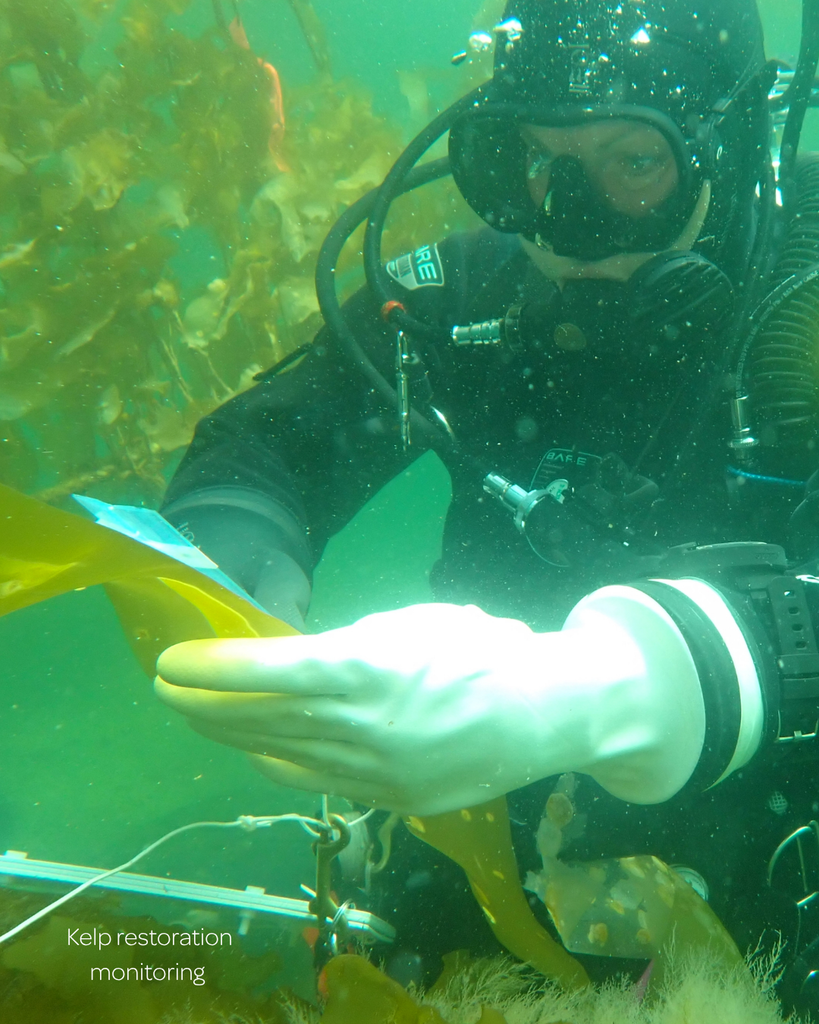
The Kelp Rescue Initiative (@kelprescue) dove dozens of times to monitor sites after outplanting and continued to work on research and best practices for the future of kelp restoration in our waters.
Throughout the summer we also hosted our Summer Seminar Series, with 17 talks from researchers and experts in their field. Replays can be found on our YouTube channel.
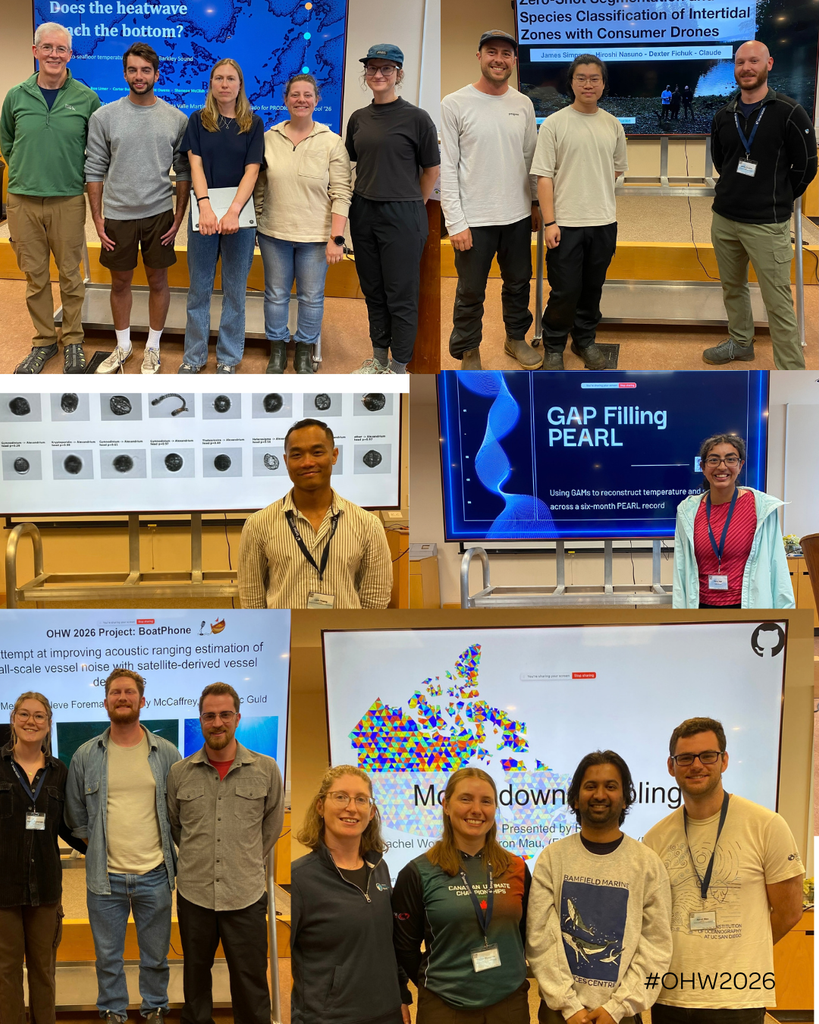
We also had two major special events. First, we hosted Canada’s first Ocean Hack Week, a workshop for cross disciplinary work looking at the intersection of math, statistics, and computer science with ocean science.
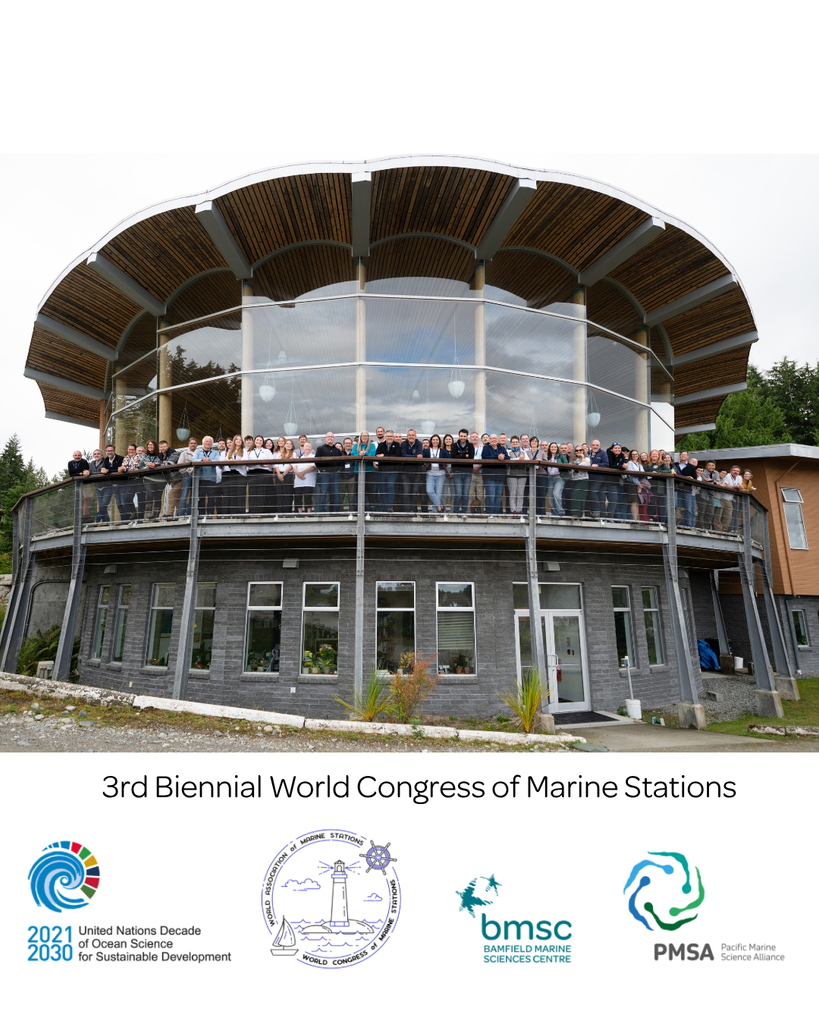
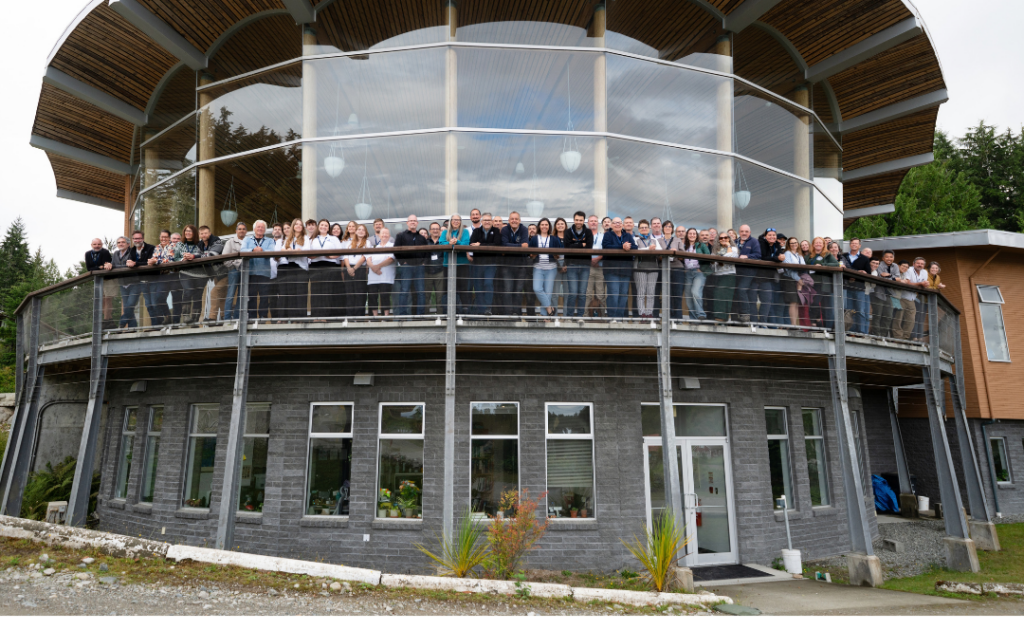
Finally, The Third Biennial World Congress of Marine Stations was attended by 80 professionals, from more than 20 countries, who came together to discuss marine station’s unique role in studying and protecting our oceans, and how we can do it better by working together. This congress was endorsed as an official UN Ocean Decade event!
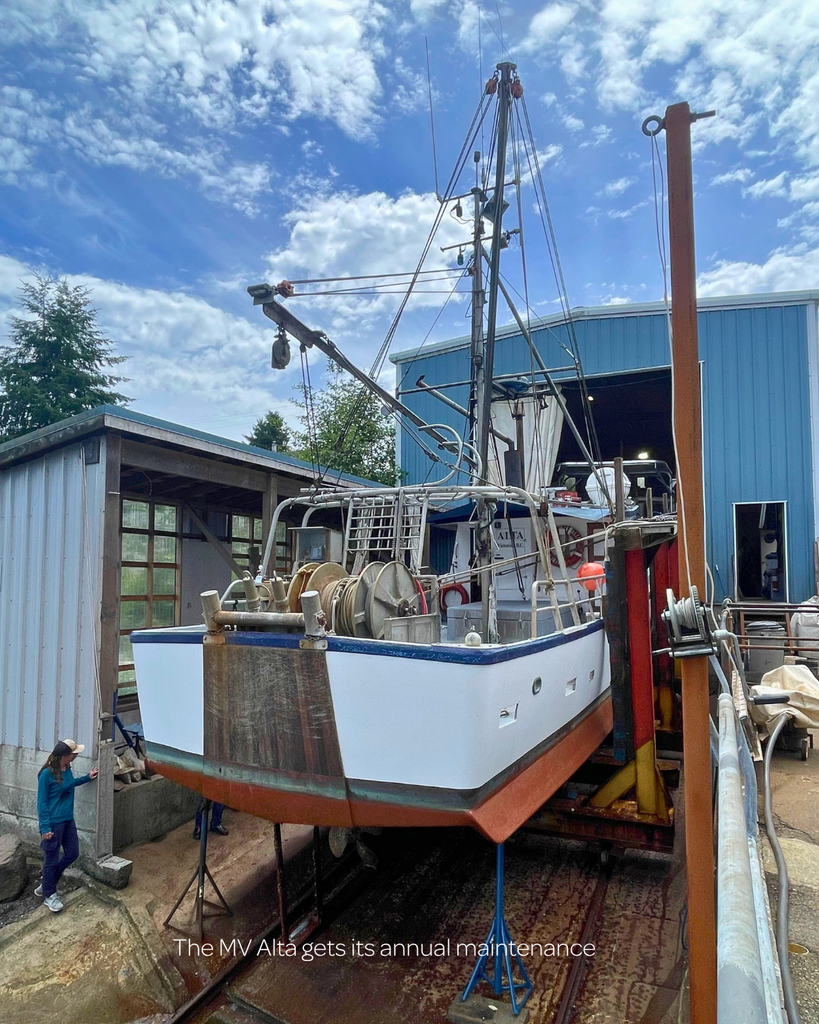
During it all, the crucial “behind the scenes work” is always happening, as the foreshore, kitchen, maintenance, and admin and guest services teams maintain our vessels and infrastructure, bookings, and spaces. None of this happens without them, and the campus looks better than ever!
We are proud of our team and so honored to have provided safe and reliable ocean access to all of these groups this summer. Here’s to another summer inspiring transformational relationship with the ocean through science.