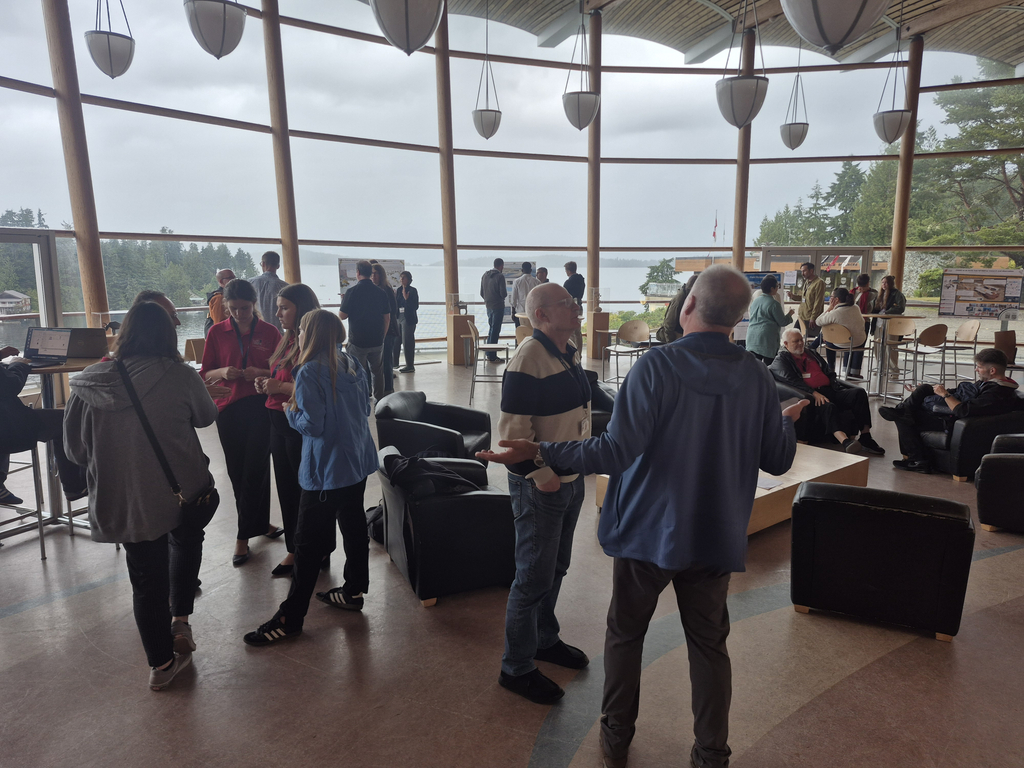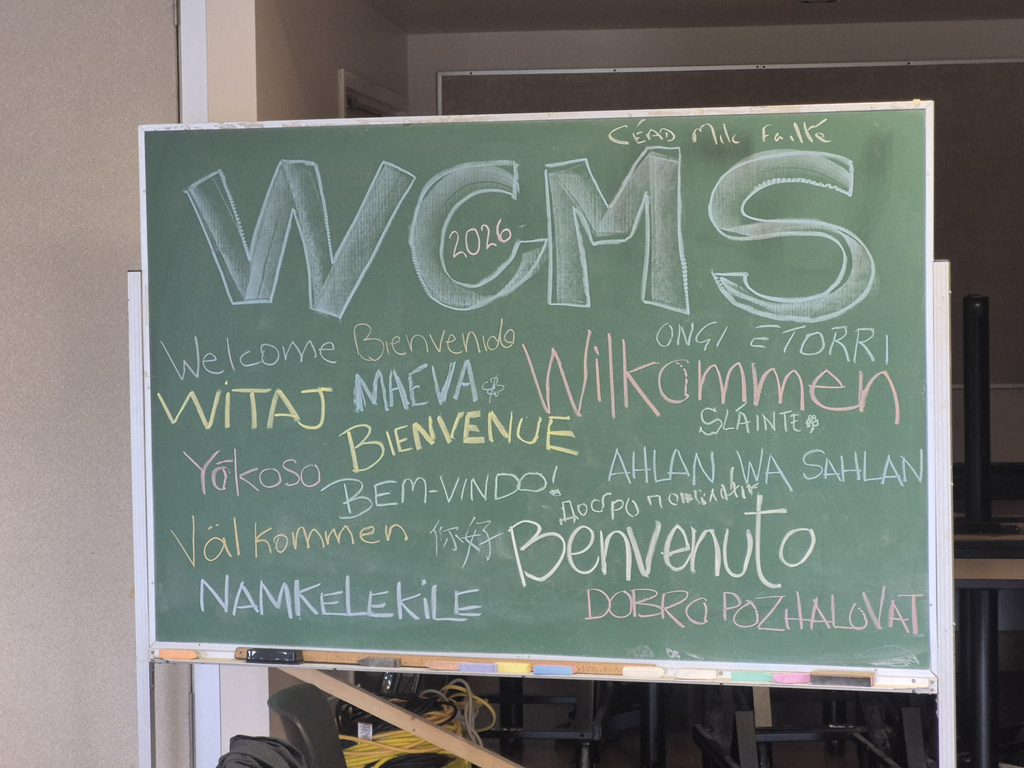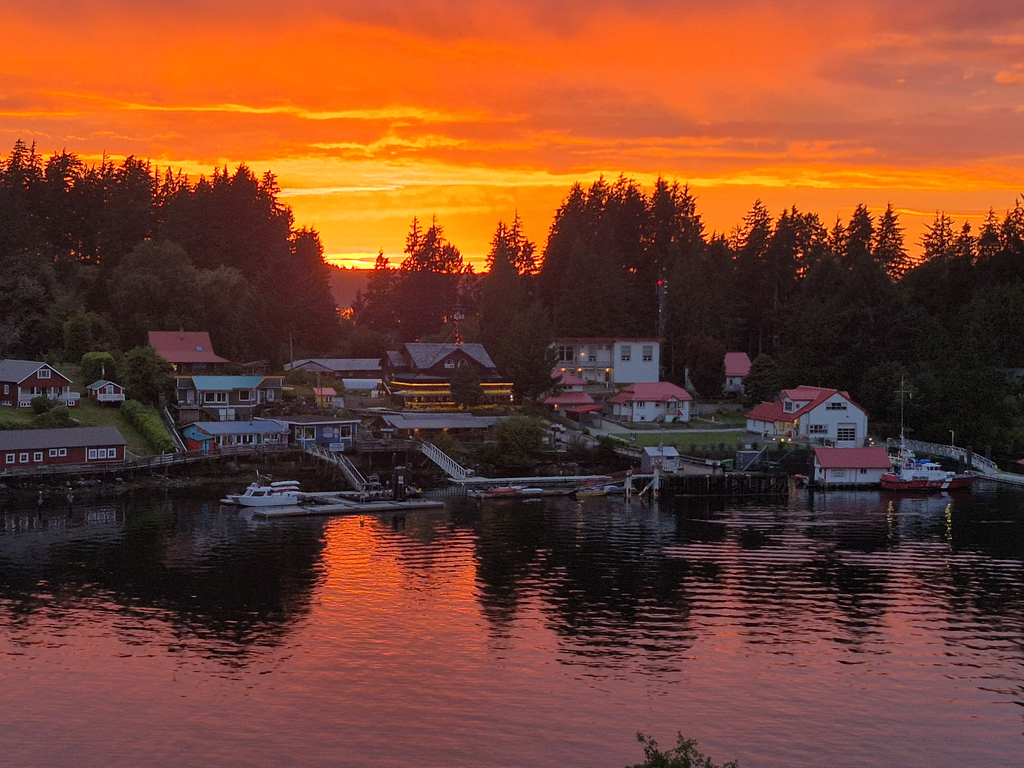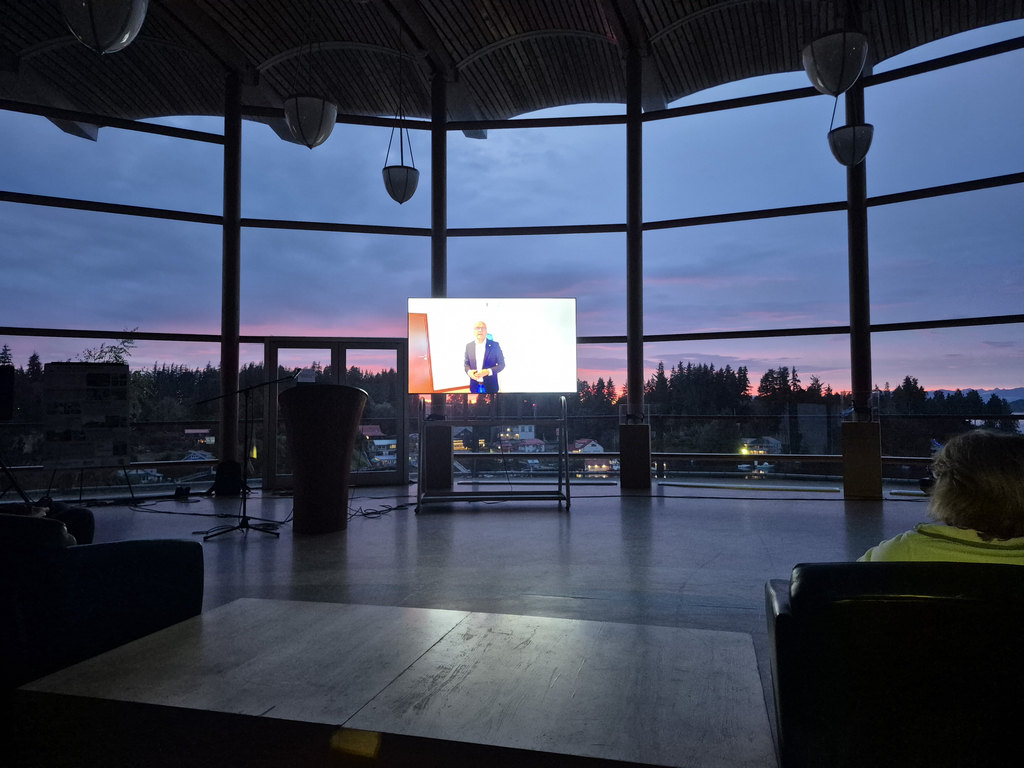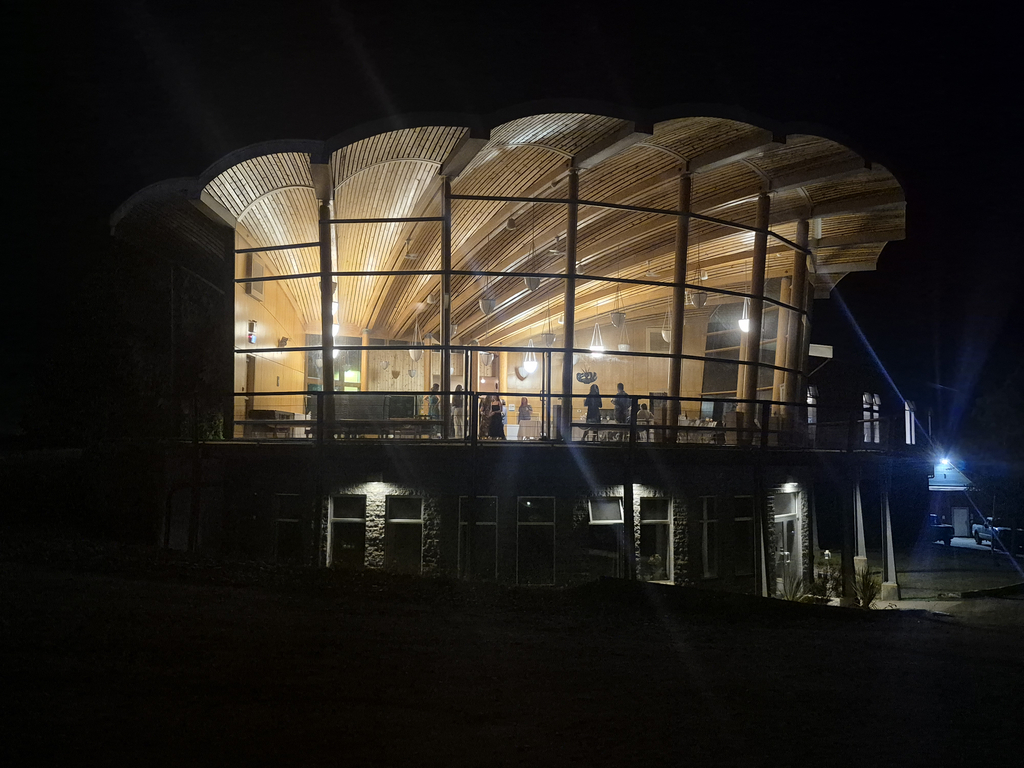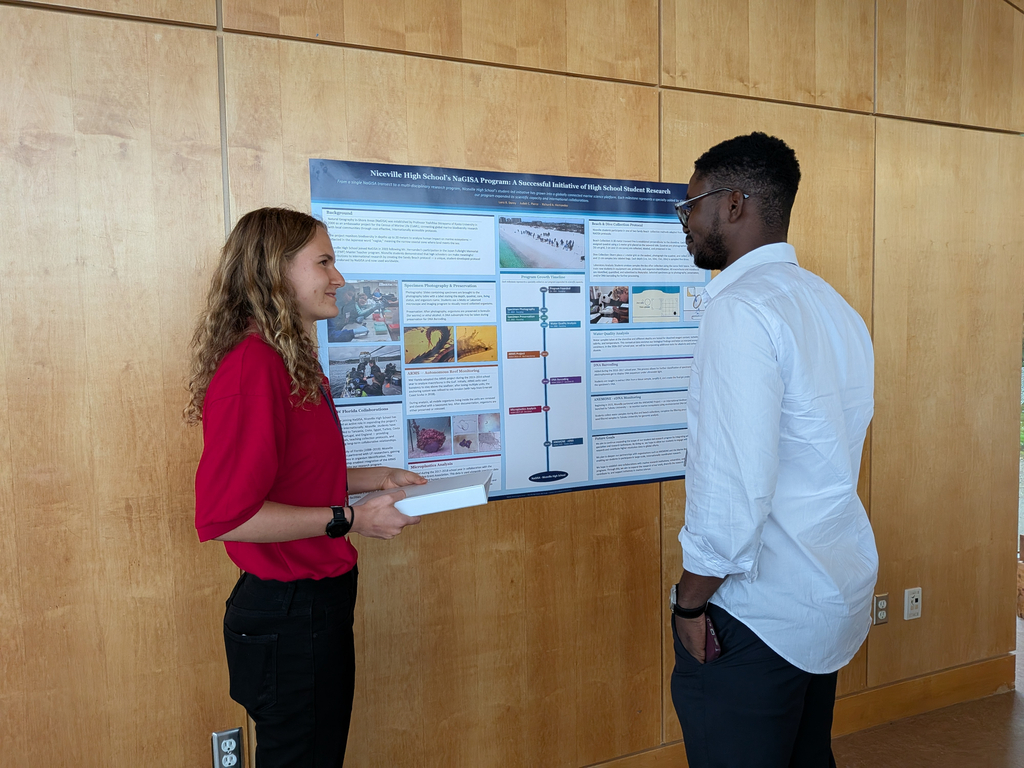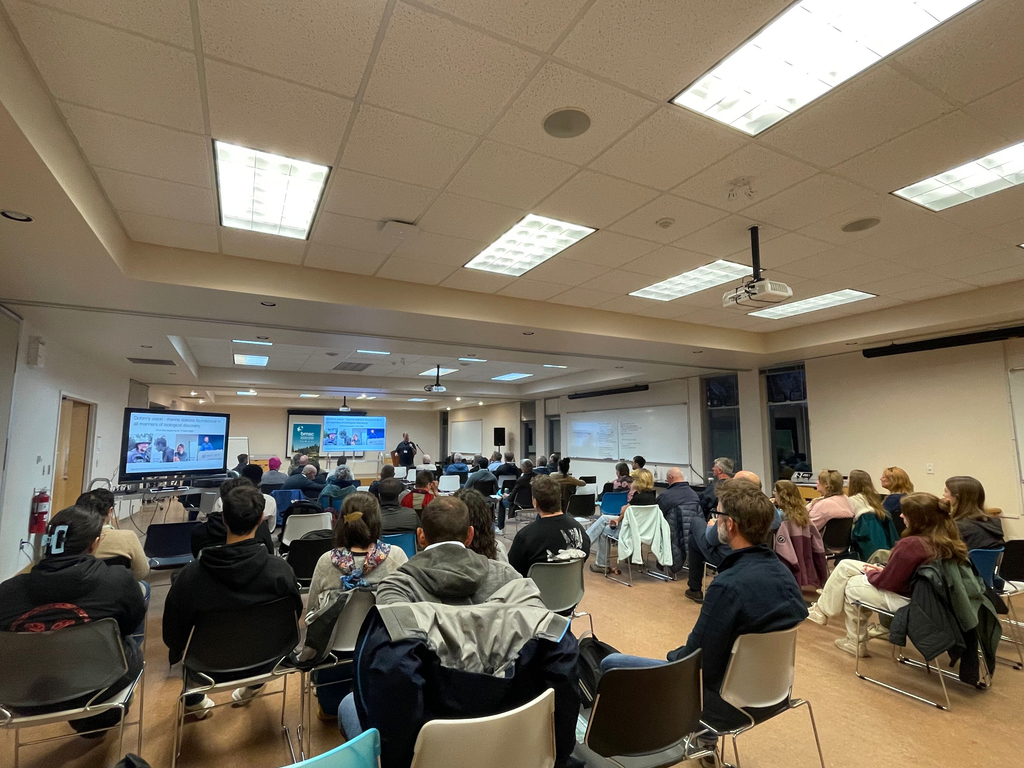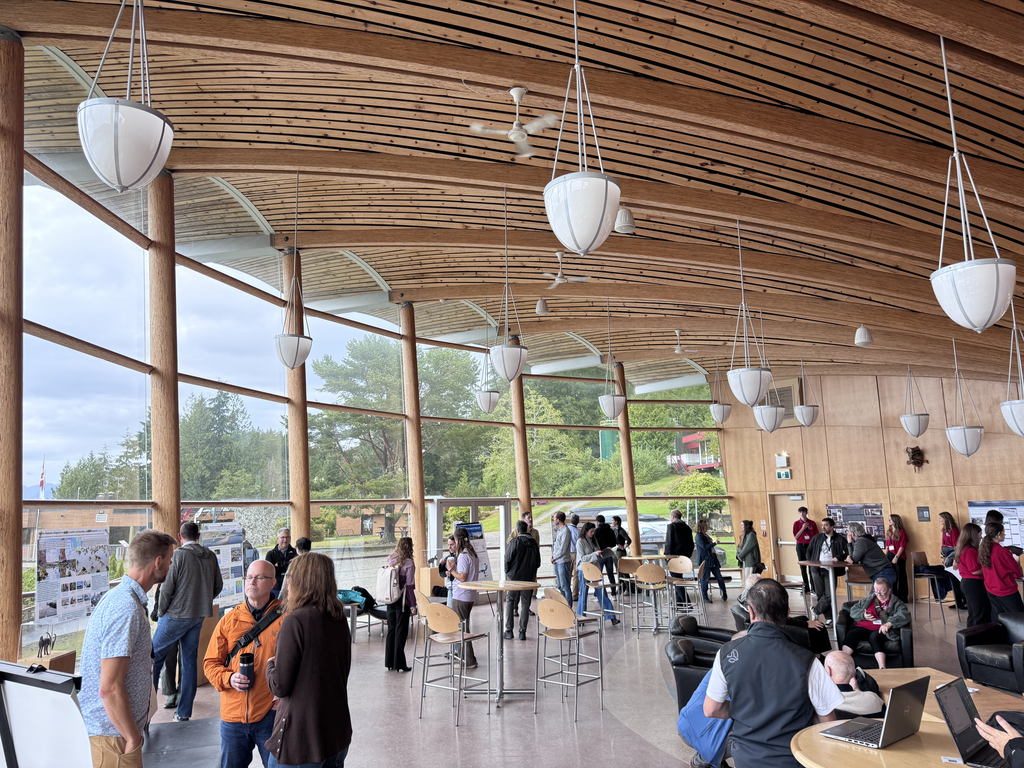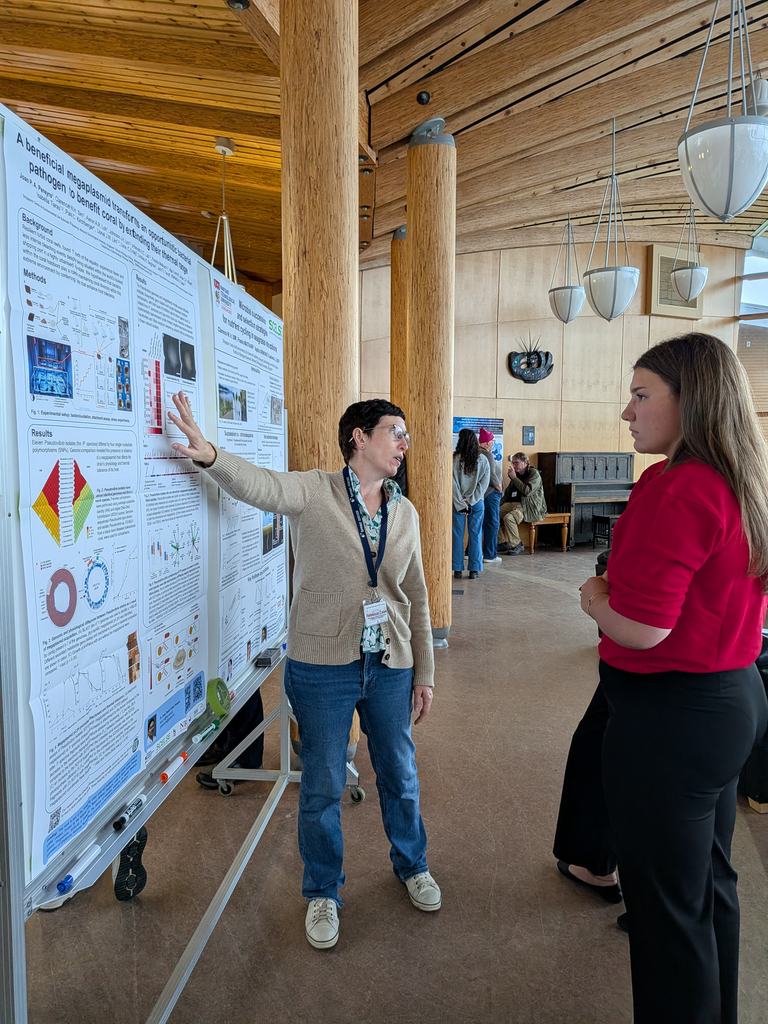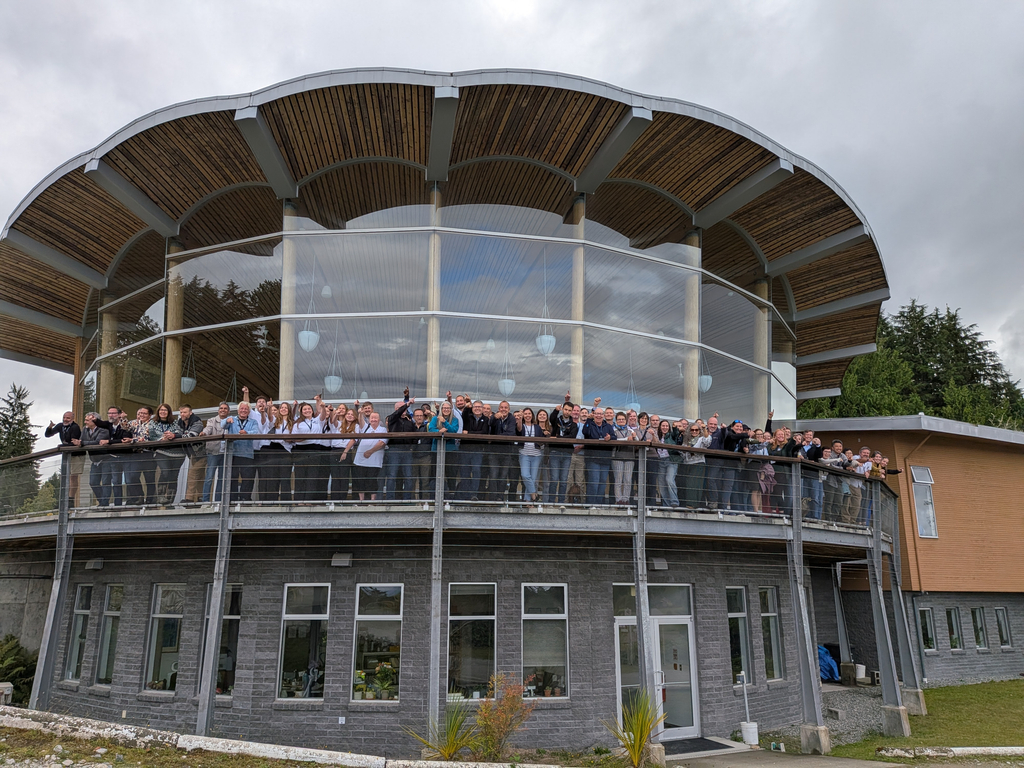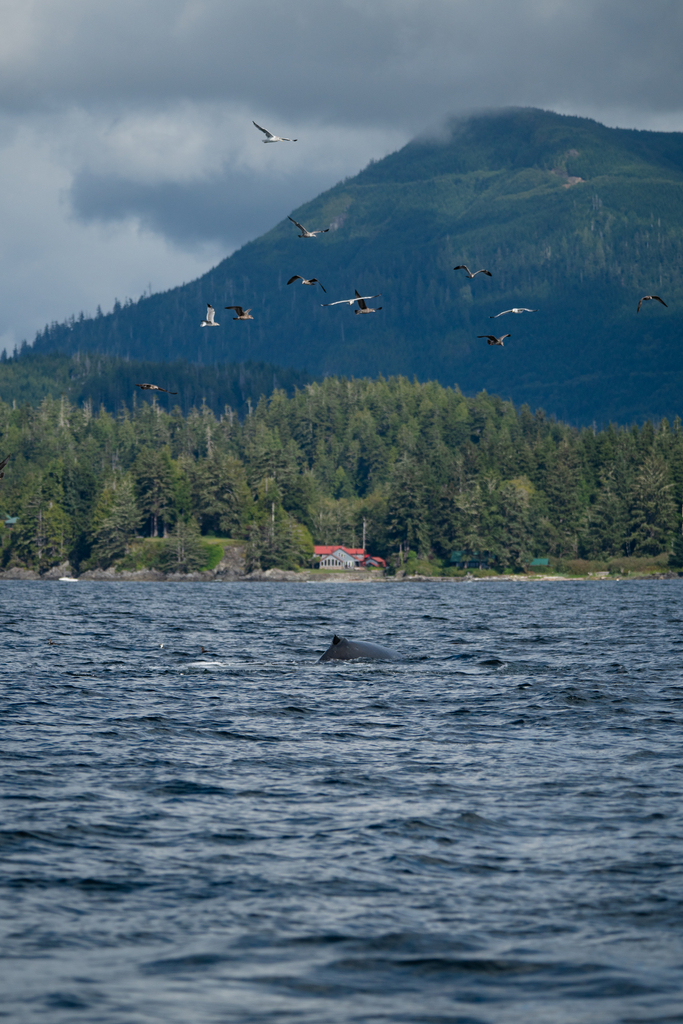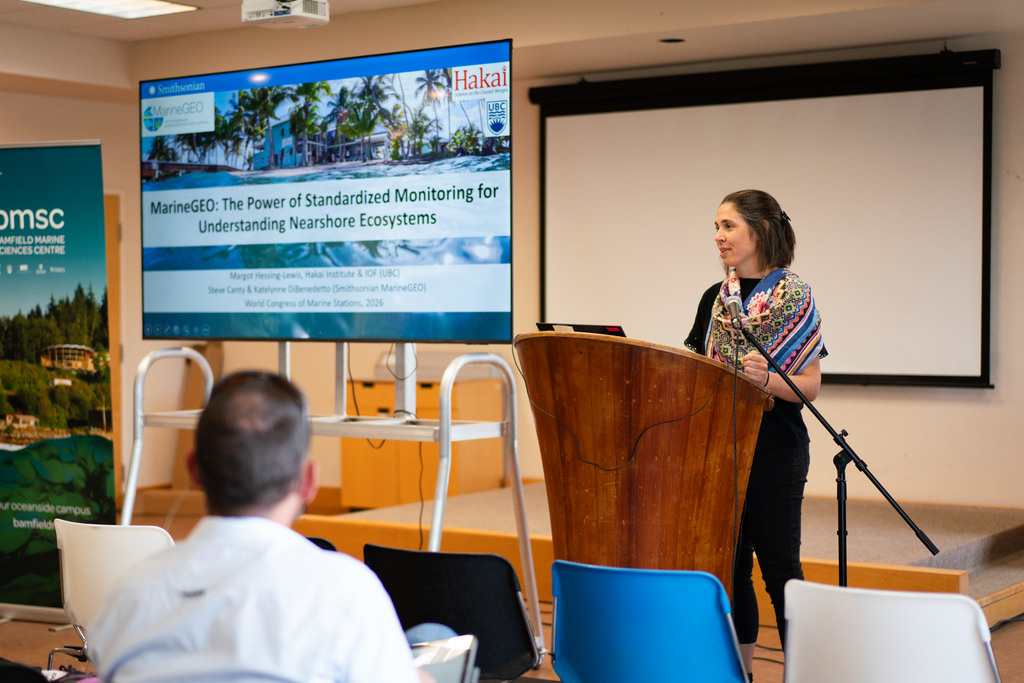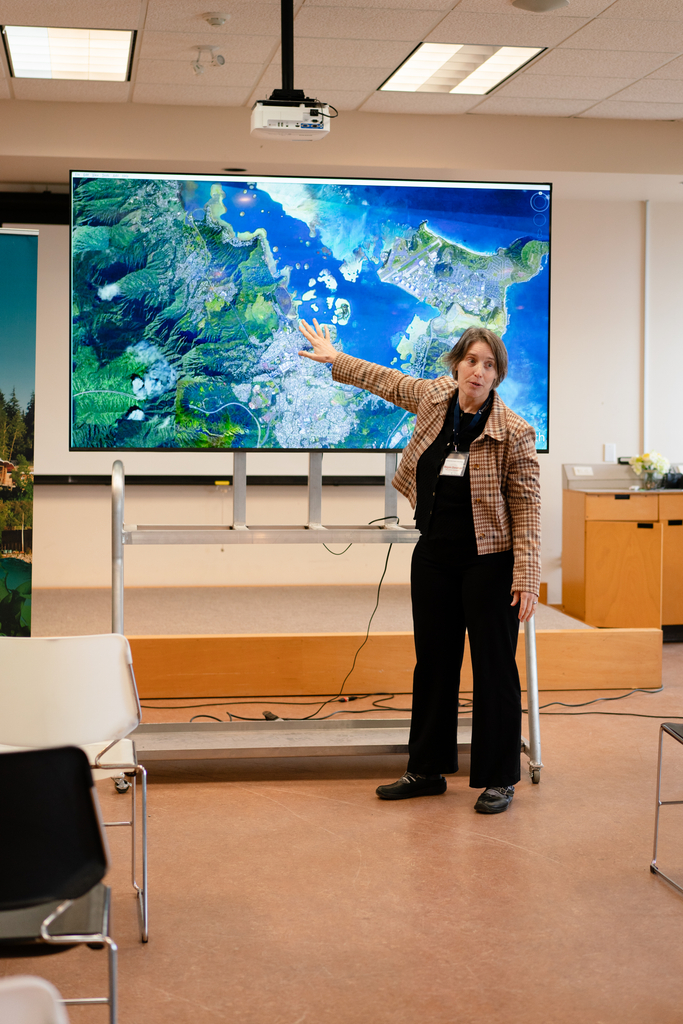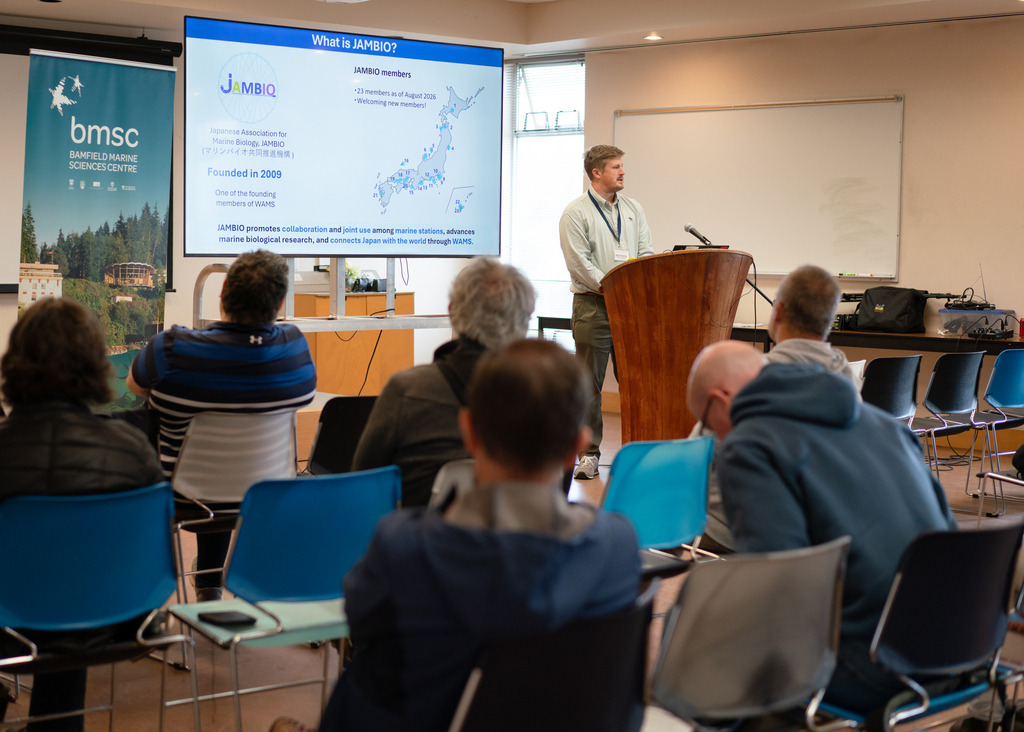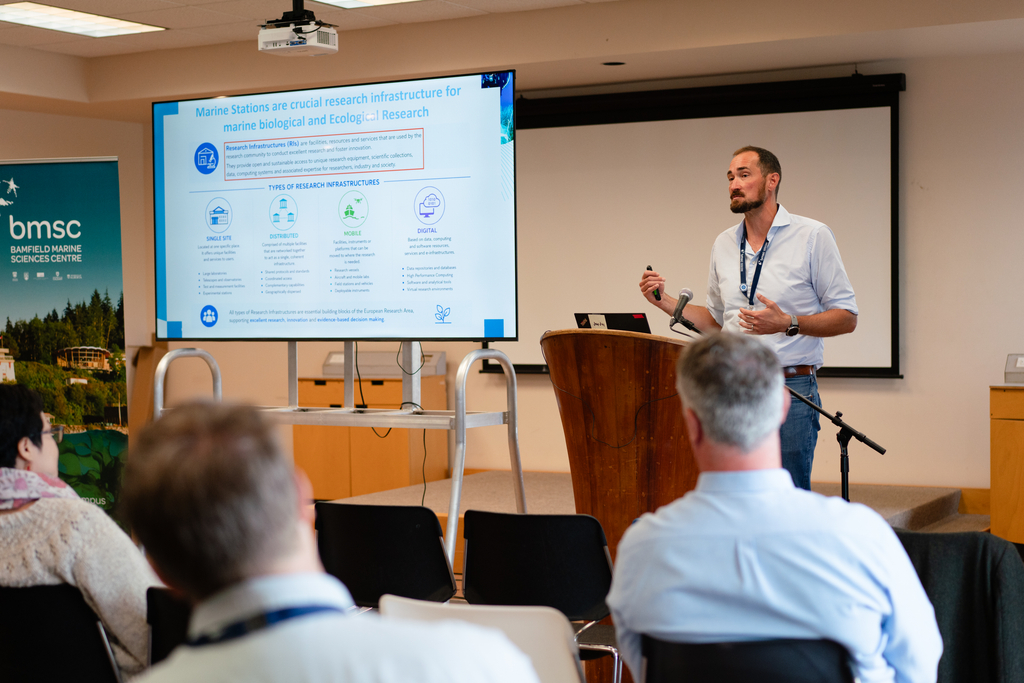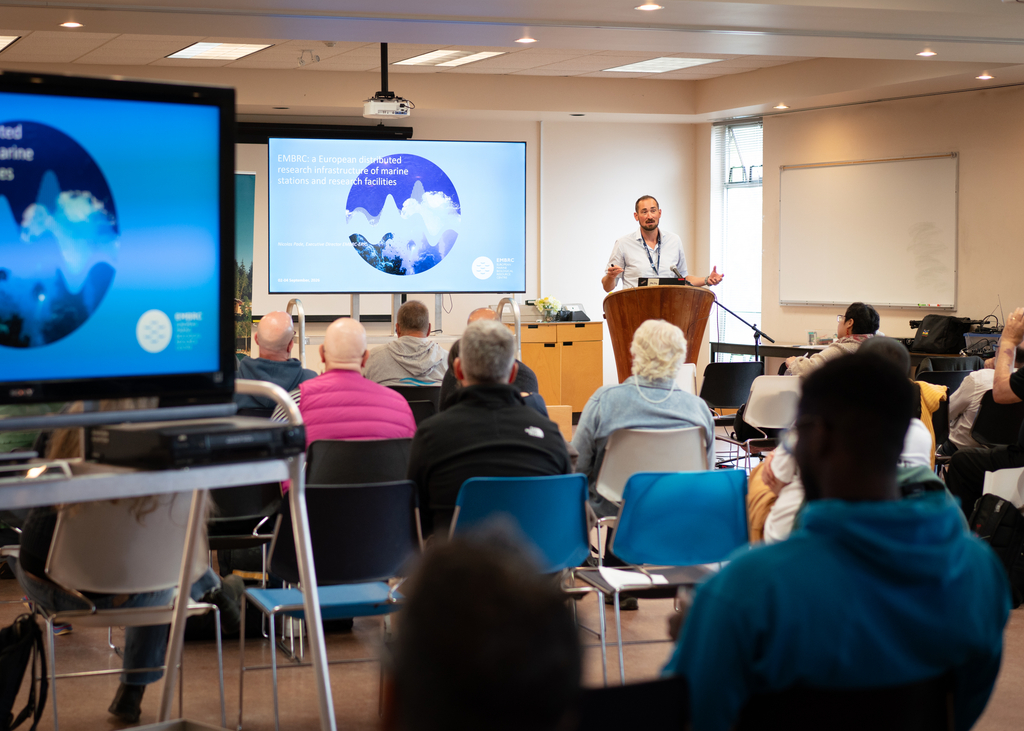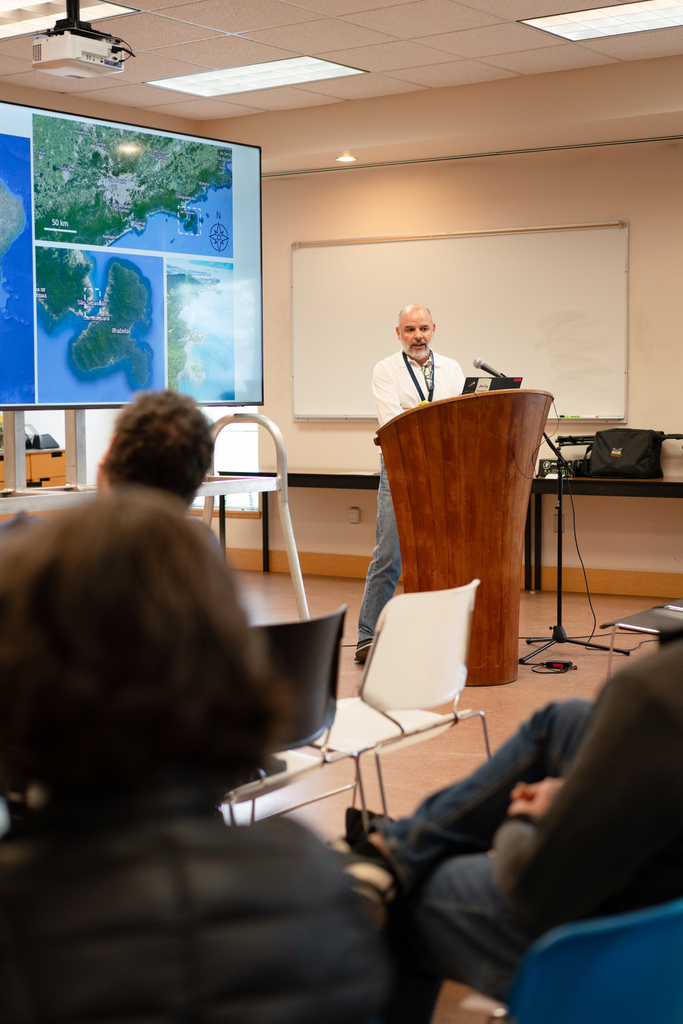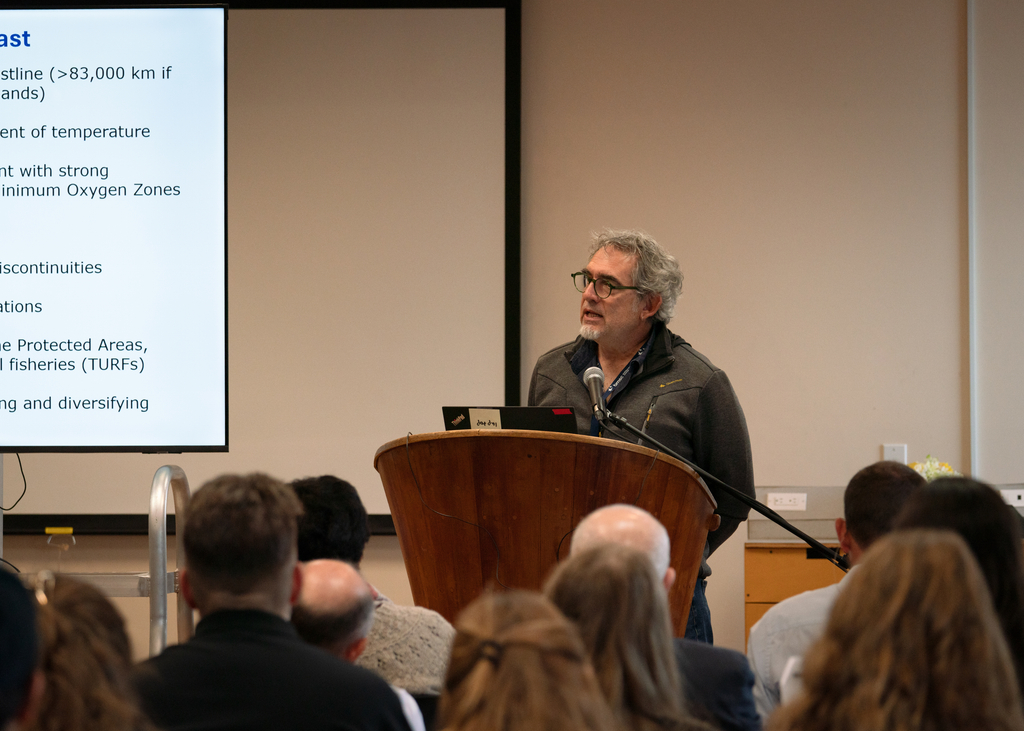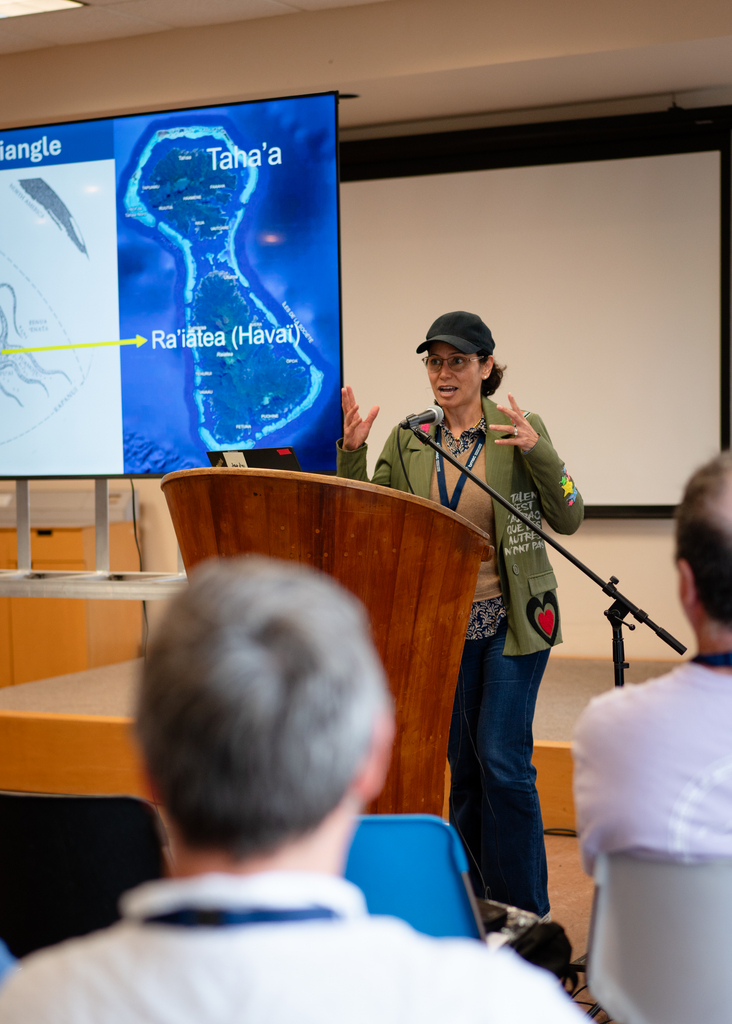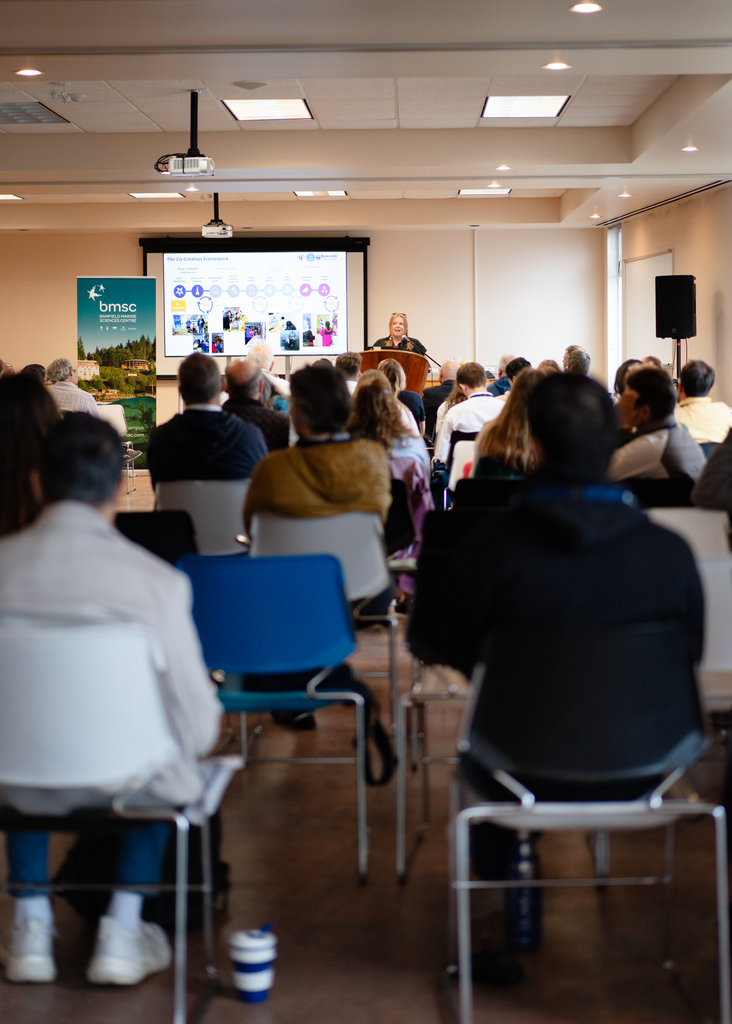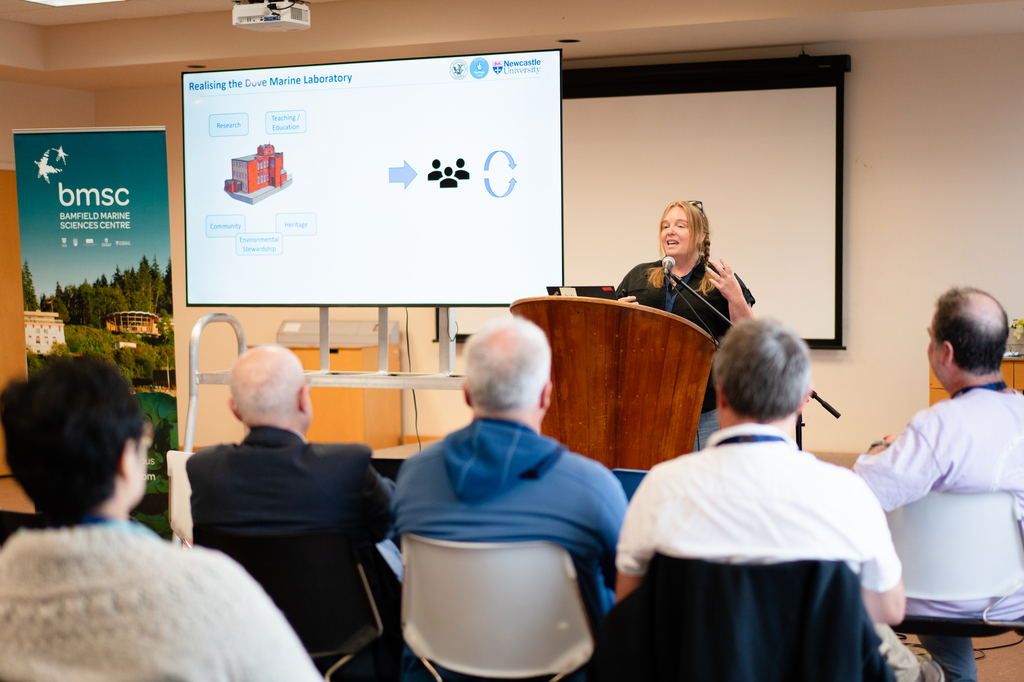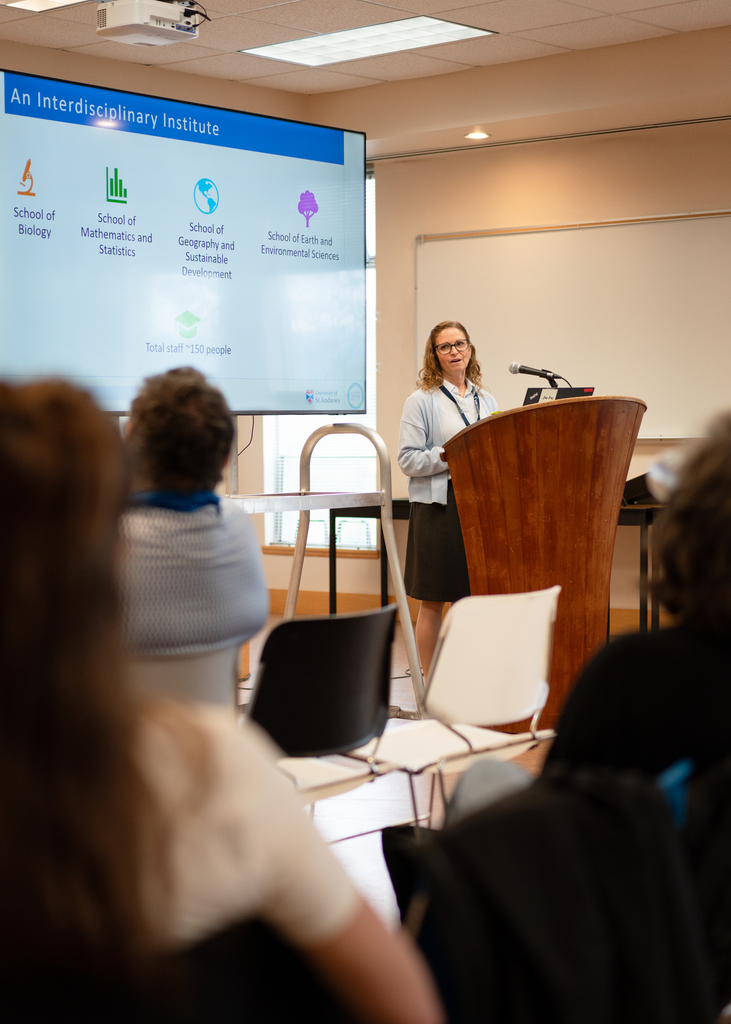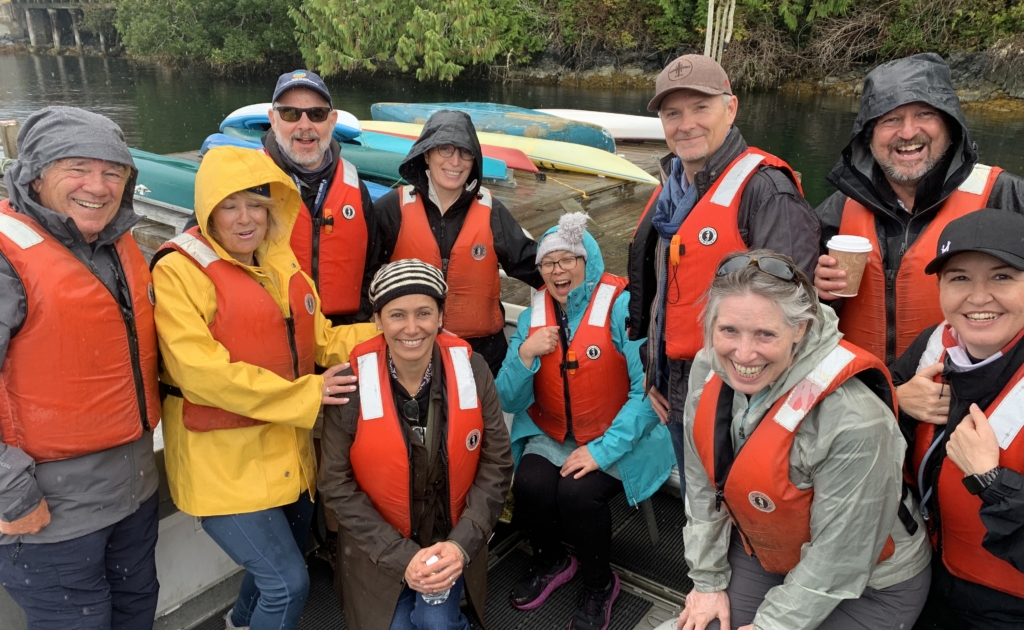
Bamfield, British Columbia – This September 1-5th, 2026, The Bamfield Marine Sciences Centre hosted the 3rd biennial World Congress of Marine Stations (WCMS2026). This congress, convened by the World Association of Marine Stations (WAMS) and endorsed as an official UN Ocean Decade activity, was a unique coming together of global marine-station representatives.
The congress was a huge success, bringing together over 75 participants from 17 countries, representing — directly and through regional marine station networks — over 50 marine stations. Participants shared research, exchanged expertise, developed partnerships and committed to strengthening the role of marine stations as critical, connected global infrastructure for addressing shared ocean challenges.
The congress covered five key themes:
- Oceans and Human Health
- Ocean Innovation and Bio economies
- Community, Education, and Culture
- Ocean Policy
- Marine Stations as Distributed Research Platforms
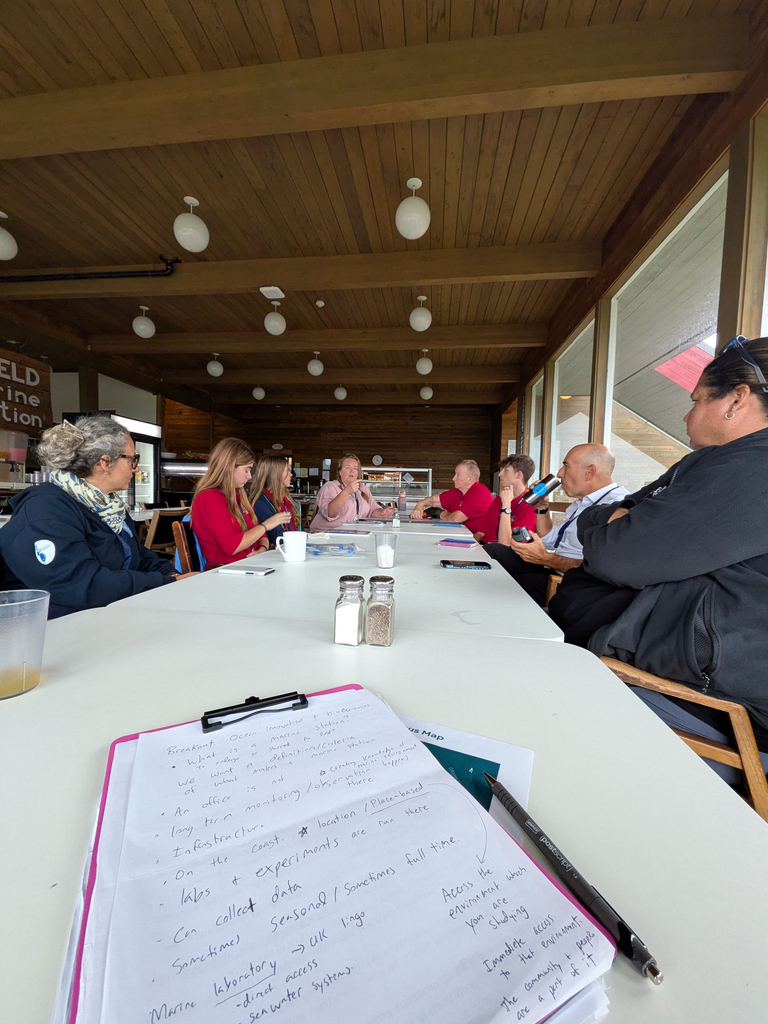
Beyond traditional talks, time was also set aside for thematic breakout sessions. This enabled participants to reflect on presentations and shared challenges, discuss the potential of WAMS for advancing marine research, and finally to envision the future of marine stations as connected global research infrastructure for ocean research, observation, and conservation.
The event saw sponsorship from The Japanese Association for Marine Biology (JAMBIO) who hosted the second congress 2 years prior, as well as in-kind and travel support for participants from the Pacific Marine Science Alliance, BMSC’s governing body. PMSA’s funding of this event was largely thanks to the PRISMS initiative: a collaboration with MEOPAR, and other partners, working on expanding national and international collaborations and improving the mobilization of researchers and students working in marine sciences.
The next World Congress of Marine Stations will take place in 2028 at The Marine Station Helgoland of the Alfred Wegener Institute, Helmholtz Centre for Polar and Marine Research.
Quotes:
Dr. Sean Rogers, executive director of the BMSC, corporate Secretary of PMSA and Board Director of iPlaces alliance said
“The strength of marine stations lies in their permanence. Projects begin and end, but marine stations remain the bedrock of ocean access and science. This congress helped reinforce and shape the critical roles that this continuity supports: long-term ocean access and observations, connecting global observing systems with local needs, education, and connecting science with policy. Our discussions provided direction about how we can advance these roles through WAMS and most importantly, continue to mobilize to ensure that critical marine station infrastructure, expertise, and partnerships support ocean science and stewardship.”
Dr. Matt Frost, Chair of the World Association of Marine Stations and Head of Office for International Affairs, Plymouth Marine Laboratory
“At a time when international cooperation in many spheres is increasingly challenging due to geopolitics and other factors, the 3rd World Congress of Marine of Marine Stations shows that the desire within the global ocean community to work together is as strong as ever. Over a few days in the beautiful location of Bamfield Marine Science Centre (BMSC) on Vancouver Island, it was exciting to hear from marine stations and networks from across the globe about how national, regional and global collaborations are helping address the key ocean challenges of our time. It was also a great opportunity to meet in person and develop new partnerships and friendships.
With c. 750 marine stations worldwide, it is vital this capacity is mobilised to operate in the way it was intended – as vast, joined-up infrastructure that facilitates the flow of ideas, people, technology and expertise around the globe with capacity sharing at its heart. It became clear that from sustained observations to fundamental research, marine stations have a key role to play and that WAMS will be fundamental in driving this forward.
In addition to operating at a global scale, a key message from the meeting was that marine stations should also be recognised for the value they bring to the local communities in which they exist, from jobs and training and supporting the local economy to promoting ocean literacy and fostering the next generation of marine experts. We heard from stations that had been around in the 19th century and stations barely a year old, but all were playing a part in building local capacity and meeting global challenges.
A big thanks to the BMSC and LOC for putting on such a fantastic Congress and we look forward to working with everyone to further strengthen the WAMS network and to the next congress in Helgoland in 2028!”
Nicholas Pade, Executive Director, EMBRC-ERIC
“Marine stations are at the heart of marine biological and ecological research, acting as focal points for research and observation, and provide the critical infrastructure for investigating life in the Ocean. The WCMS is an opportunity to inspire and develop strategies, ensuring that marine stations continue to support excellent science. In the global context of marine biodiversity, WAMS plays the crucial role of providing a collaborative framework for marine stations to work together, share good practices, and ensure that we can organise and coordinate research and infrastructure needs to enable a global monitoring, understanding, and management of marine biodiversity”.
Dr. Erin Robinson, Metadata Game Changers and iPlaces
“Marine stations are where a large share of ocean science actually happens, yet each station often works alone, solving the same problems in isolation. What WCMS made palpable, and what grew over the course of the meeting, is that stations acting as a network are a different kind of organization. One station’s solutions become tools the rest of us can adapt, and the people behind them become collaborators. None of us have to start from scratch. This is only the third congress since WCMS was revived, and the momentum is clear. Stations working together, visible as a collective, do far more for the researchers and communities that depend on us than any of us can do alone.”