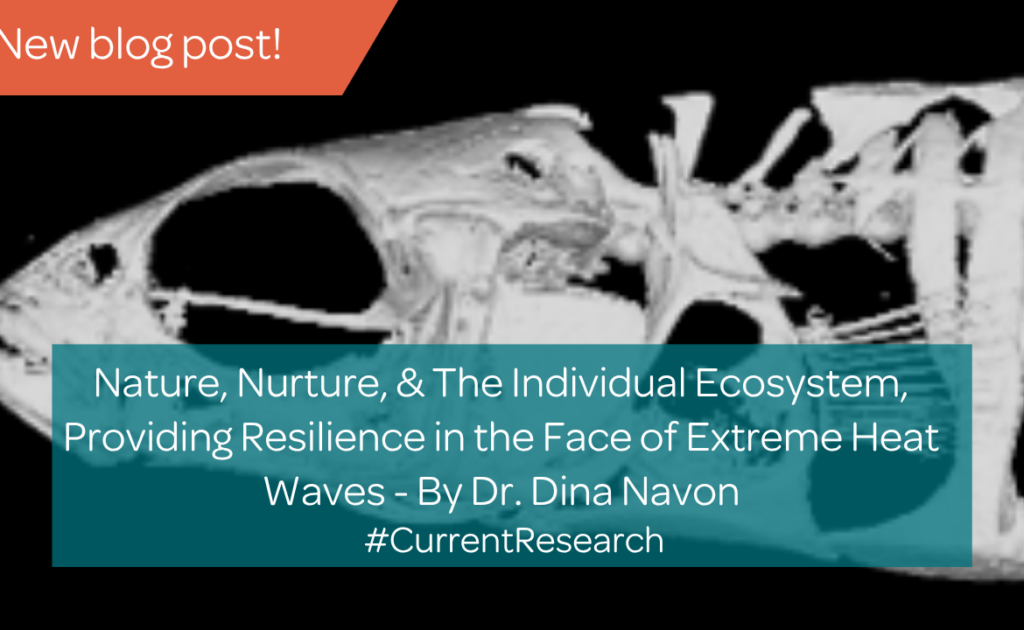
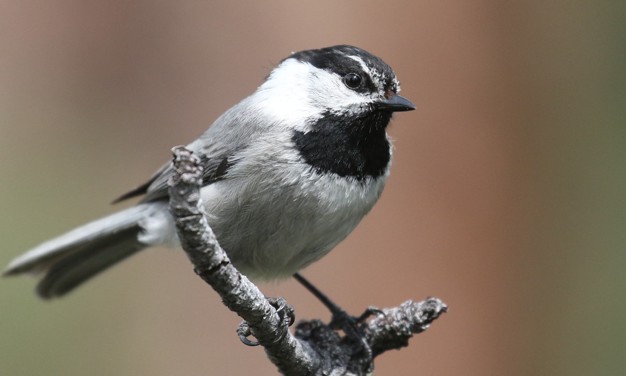
I recently struck up a conversation on the boardwalk outside the West Side store (Bamfield Mercantile & Marine) after eavesdropping on a family playing the trivia game someone left there. I correctly guessed that “chickadee” was the answer for “which type of bird has a boreal, a mountain, and a black-capped species?” They asked if I knew because I was a birder.
“As a hobby, yes. But I’m also a biologist.”
We got to talking about the research I’m doing here at BMSC. Like clockwork, they brought up how heat waves have been impacting fish farms and wild salmon.
“So, you’re trying to prevent that from happening?”
“Exactly, yes.”
My name is Dina Navon, and I’m an assistant professor at the University of the Fraser Valley in Abbotsford BC who lived in Bamfield in 2019 and 2020 and has returned to do research here every summer for the past few summers. My colleague Dr. Mitra Tabatabaee and I are using a small bait fish, the threespine stickleback, to understand how the millions of microbes living on and within us can help buffer us (and our food sources) from heat stress.
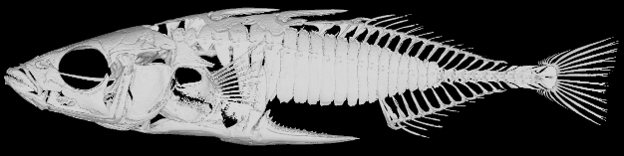
Marine threespine stickleback, or Gasterosteus aculeatus (literal translation: bony stomach with spines), are an excellent model system for our research because they are small, easy to catch, and hardy. Like the salmon who sometimes eat them, they are cold-water fish who typically seek out fresh water or brackish water (a mix of salty and fresh water found where a river meets the ocean) to spawn. Admittedly, stickleback don’t do much for humans as a food source (though, I’ve heard rumors of people eating “stickleback sushi” on a dare). However, fish that people typically eat are much larger and therefore more challenging to keep in a lab setting. So we had to settle with stickleback for this work.
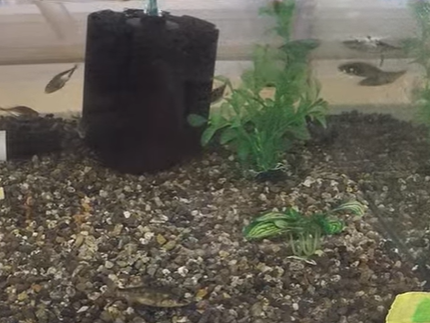
Using the same technology that controls a sous vide for cooking, my team was able to precisely warm the temperature in our fish tanks with commercially-available aquarium heaters. We also set up a remote monitoring system using temperature sensors that allowed myself and my undergraduate research assistant to quickly check the temperatures in our tanks from our phones, anywhere we had internet access. That system also recorded the temperatures in the tanks once per minute, remotely backing it up to an old phone, an old computer, and an internal SD card. Three tanks stayed at a “typical” temperature for these fish – cycling between 14 and 16ᵒC depending on the time of day. Three additional tanks were brought to a temperature we hoped would induce heat stress – 22-24ᵒC during the day, around 18ᵒC at night. We looked for subtle signs of stress including an increased respiration rate, loss of appetite, moving towards the cooler part of the tank (that is, spending more time far from the heaters and close to the water supply). We also kept a watchful eye out for more severe stress responses like refusing to eat, being unable to swim normally or stay upright, or rapid breathing near the surface or the air supply.
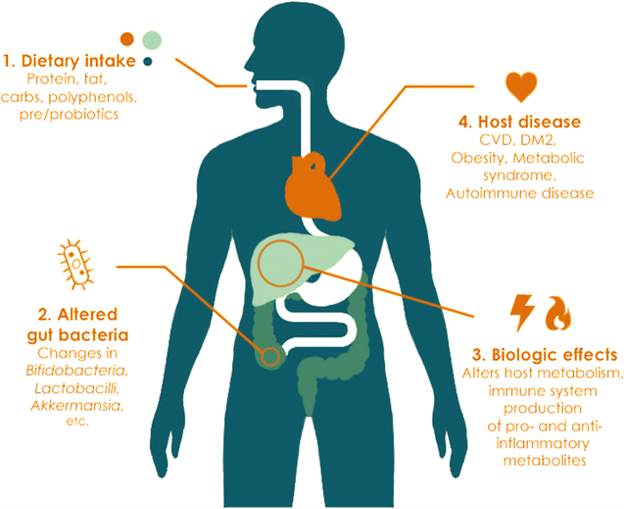
Our goal? At least for this year, we hope to define a range of temperatures that induce heat stress in these fish. We also plan to examine the numbers and kinds of microbes living in these fish’s intestines, allowing us to compare the heat stressed fish to the control (un-stressed) fish. In future years, we will use this information to develop a probiotic supplement and test whether the microbial communities taken from fish that have been heat stressed can help fish that haven’t been exposed to heat stress survive an extreme weather event.
Stay tuned for our updates in 2027!
Blog written by Dr. Dina Navon, Assistant Professor at University of the Fraser Valle
Would you like to contribute your article to our BMSC blog? Email Kirstynn at kjoseph@bamfieldmsc.com.