Pacific Ecosystem Autonomous Research Laboratory
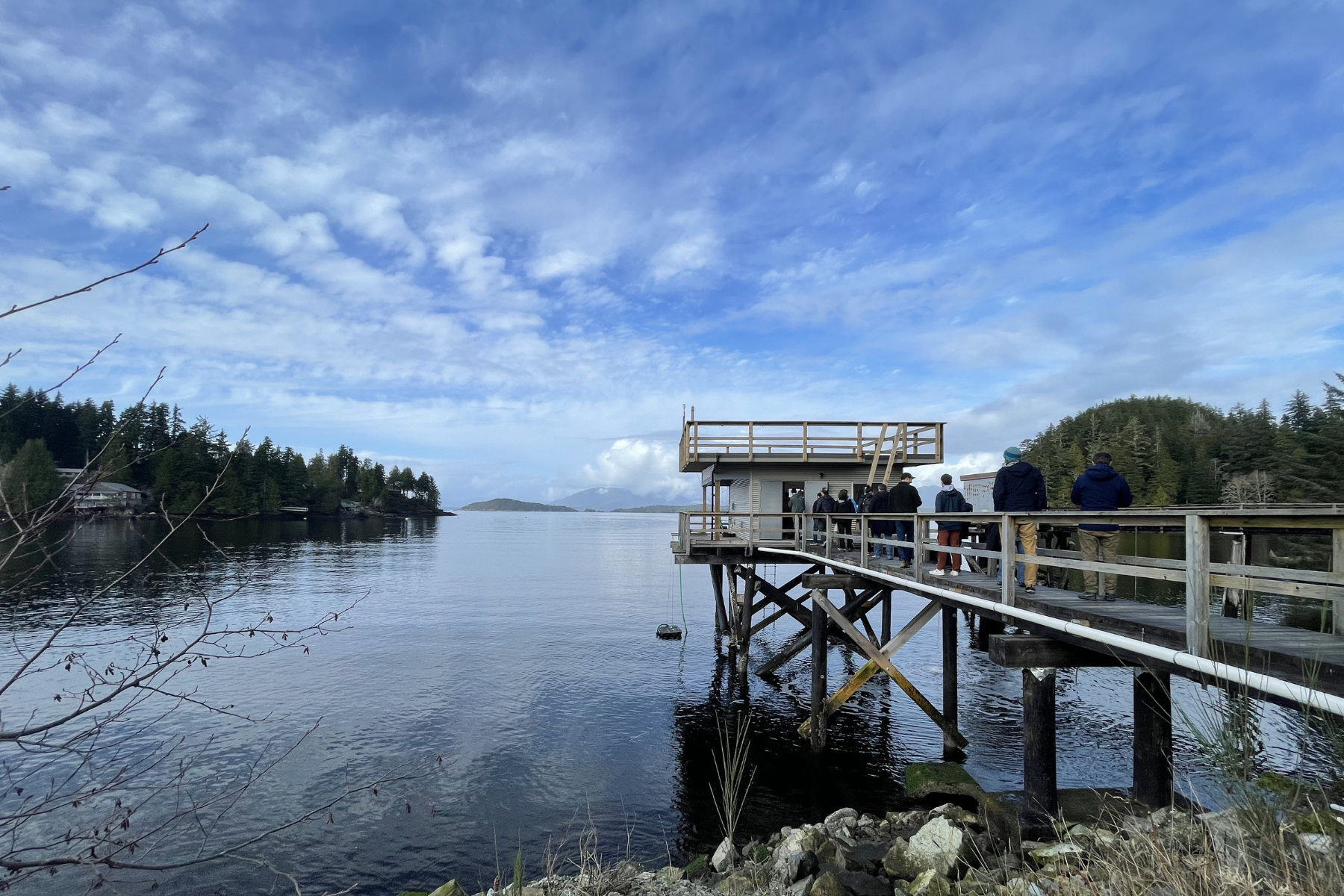
What is The PEARL?
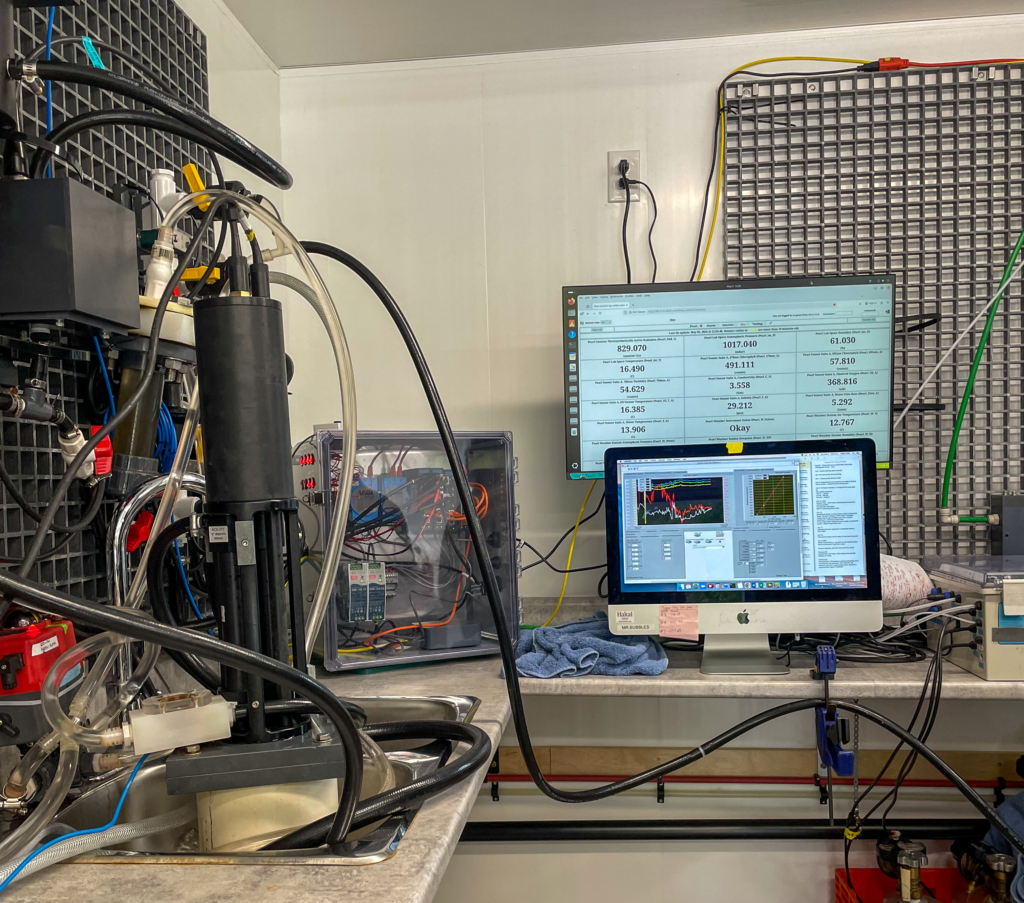
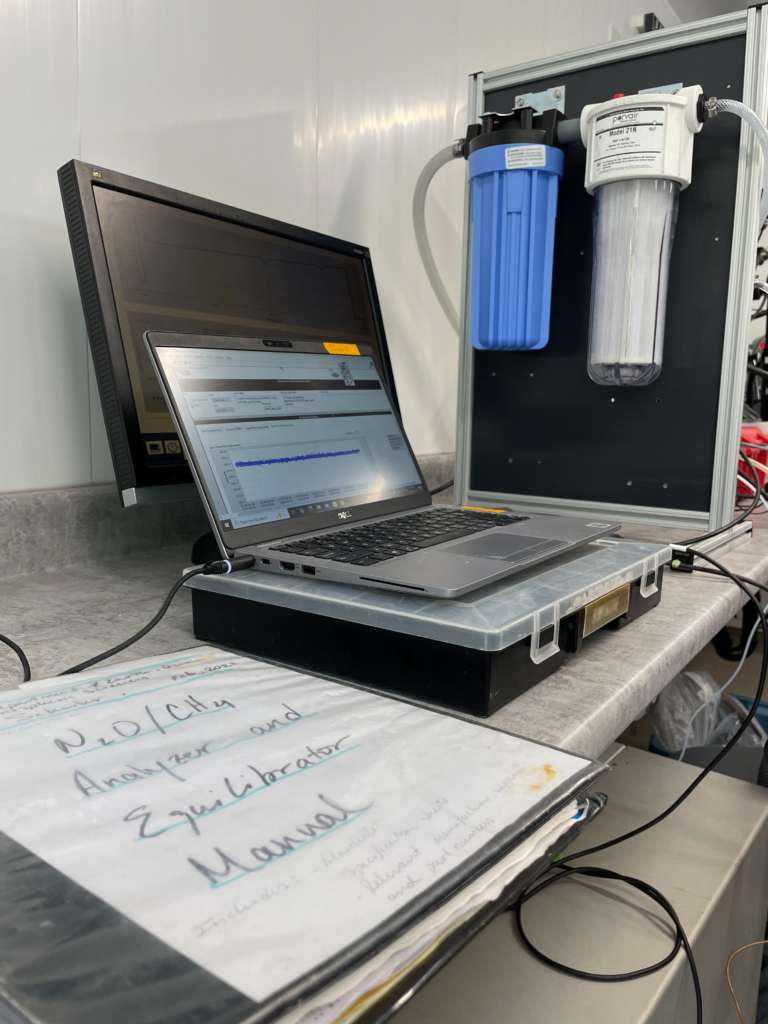
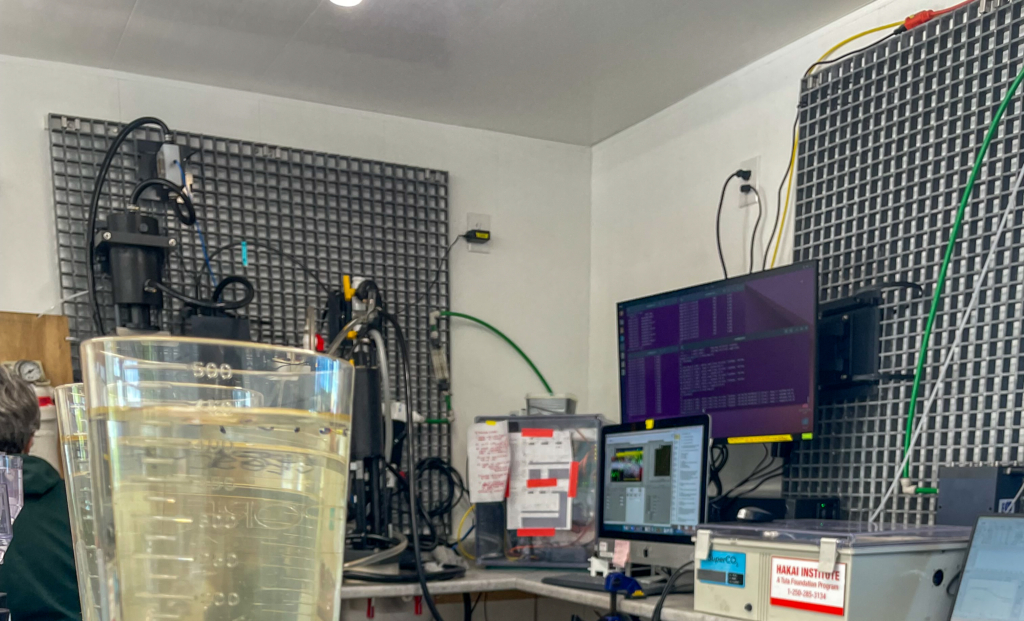
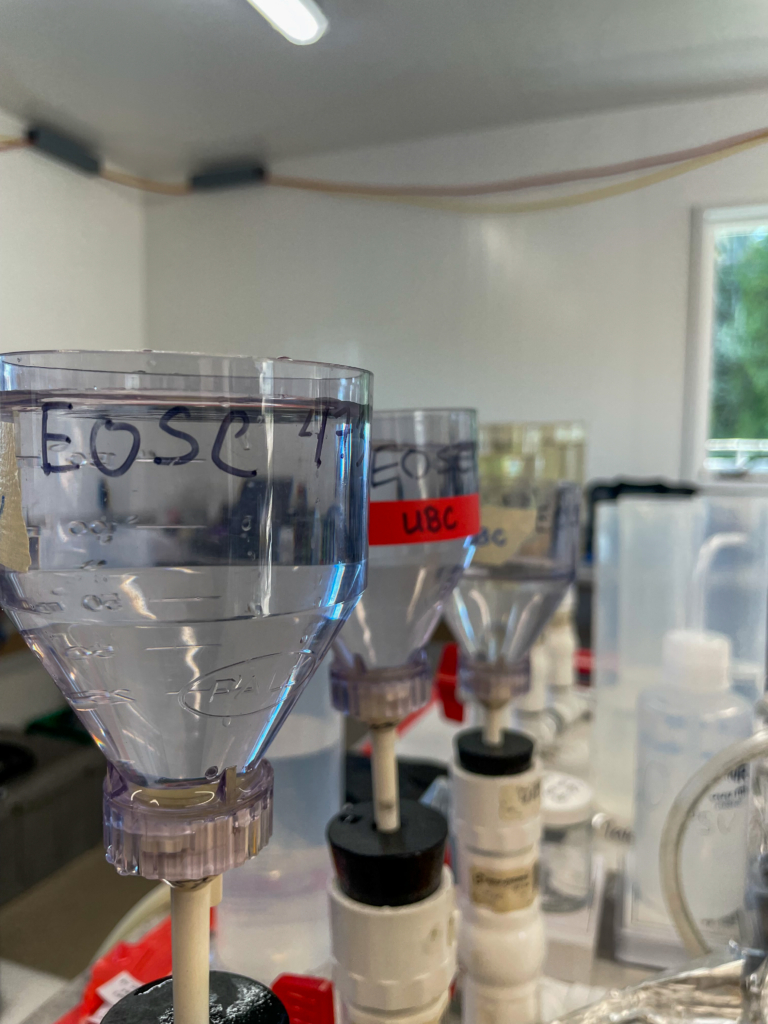
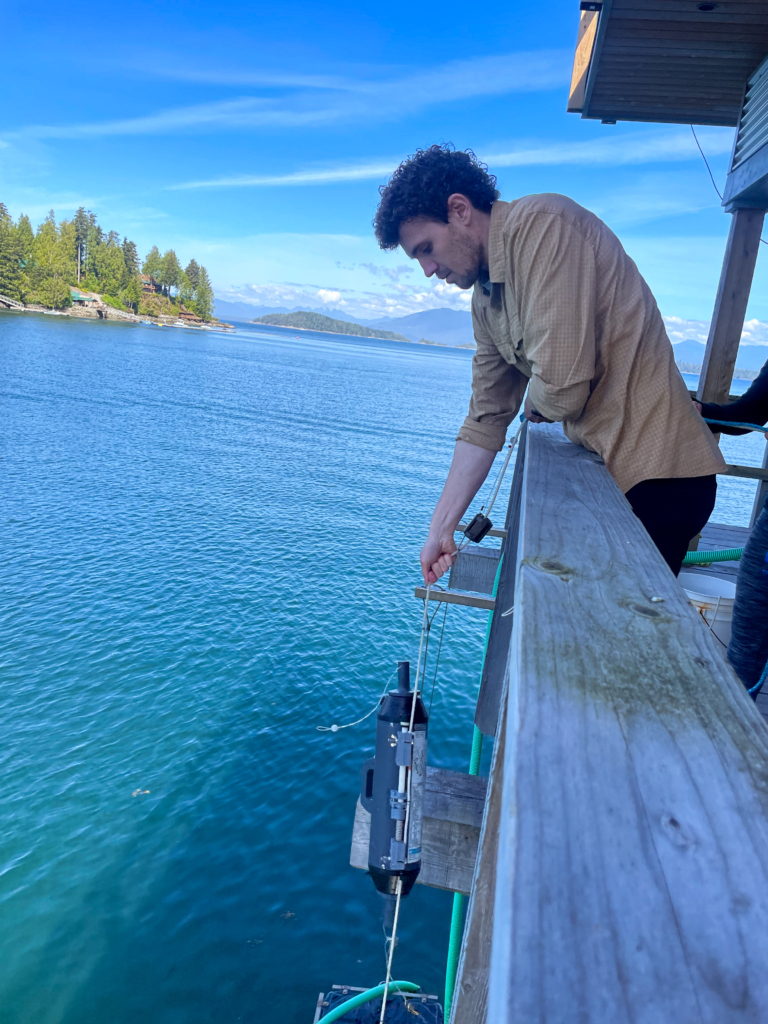
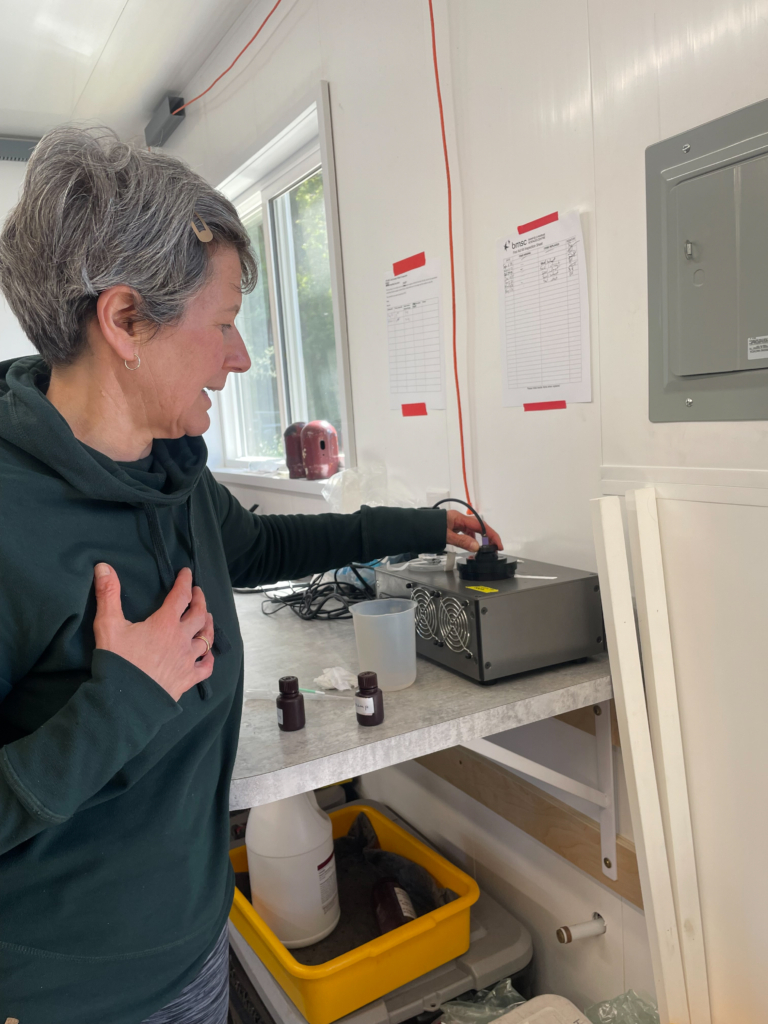
A suite of sensors to collect continuous data for atmospheric conditions and ocean surface variability, enabling us to understand the ecosystem’s daily cycles and seasonal changes over extended periods.
What makes it unique?
The use of real-time, continuous monitoring with advanced sensors provides a cutting-edge approach to studying ocean surface conditions. The research allows for detailed observation of short-term and long-term changes in ocean biology and chemistry, including daily cycles, seasonal shifts, and large climate events, such as El Niño / La Niña cycles. The infrastructure allows global remote data access, enabling researchers worldwide to monitor environmental conditions in real time, without being on-site.
What does it measure ?
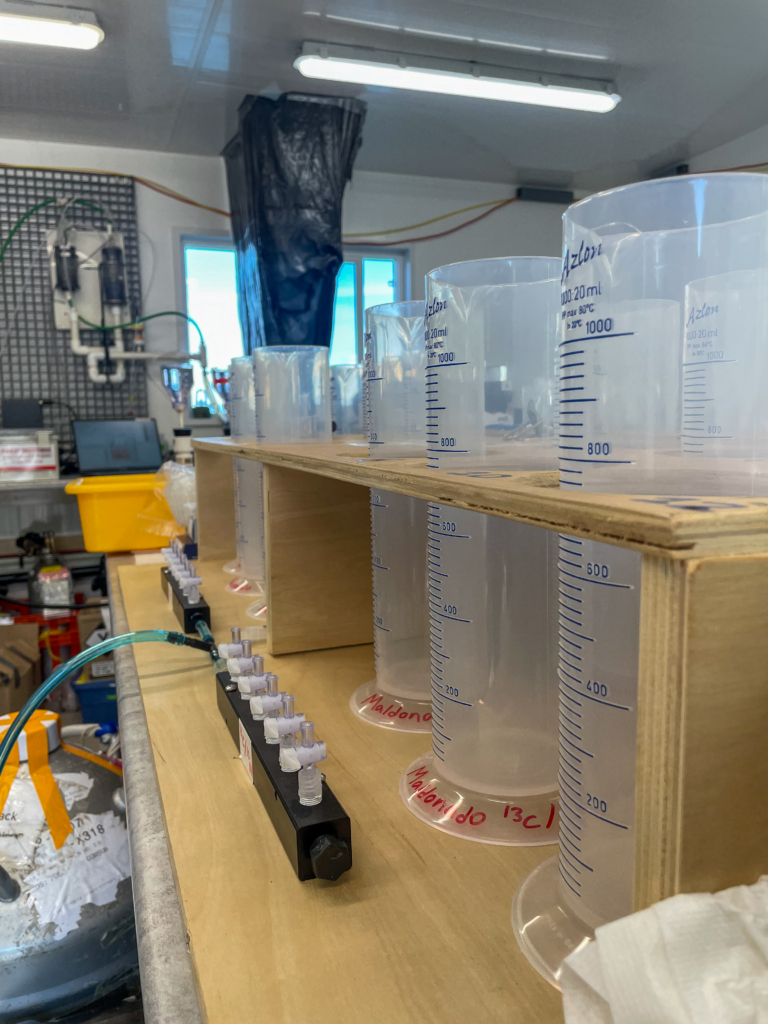
Key properties in the upper water column including: hydrography (temperature and salinity), plankton biomass (chlorophyll), productivity (oxygen accumulation), and carbon dioxide to provide insights into biological activity, particularly photosynthesis.
Current projects and people
In short, the data collected and research being done with it has incredible potential for global collaborations. The Data we collect could be integrated with other ocean observing networks, offering global researchers access to valuable time-series information.
In fact, conversations are currently happening with Chilean and French researchers about the possibility of expanding similar infrastructure across the eastern Pacific!
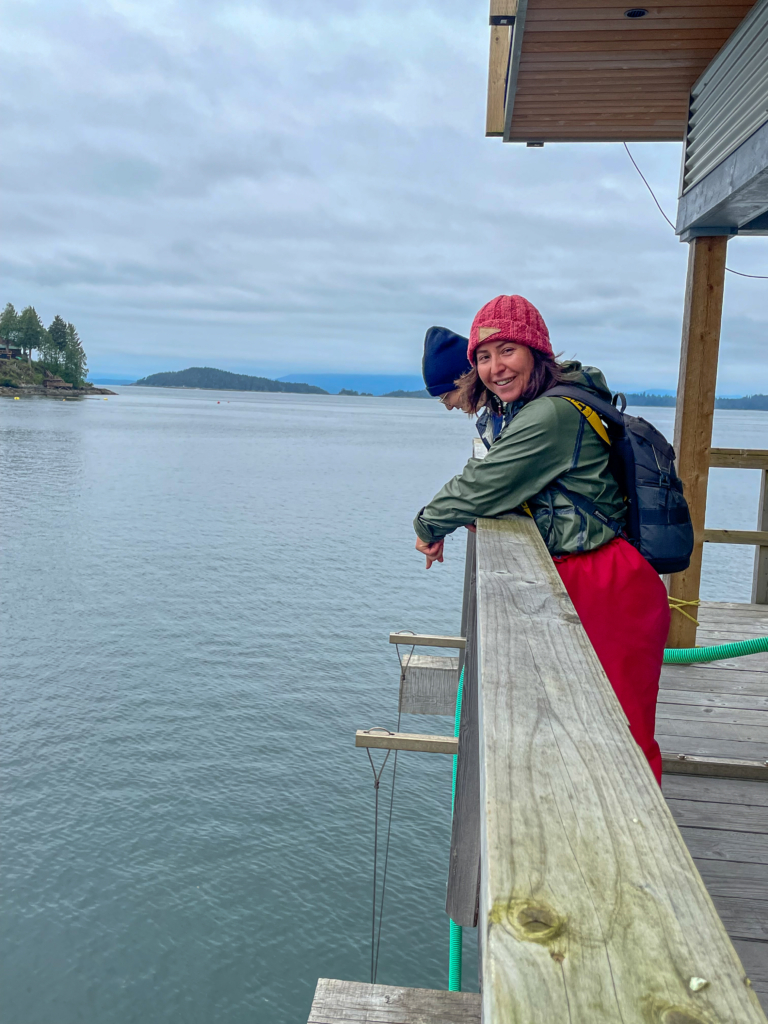
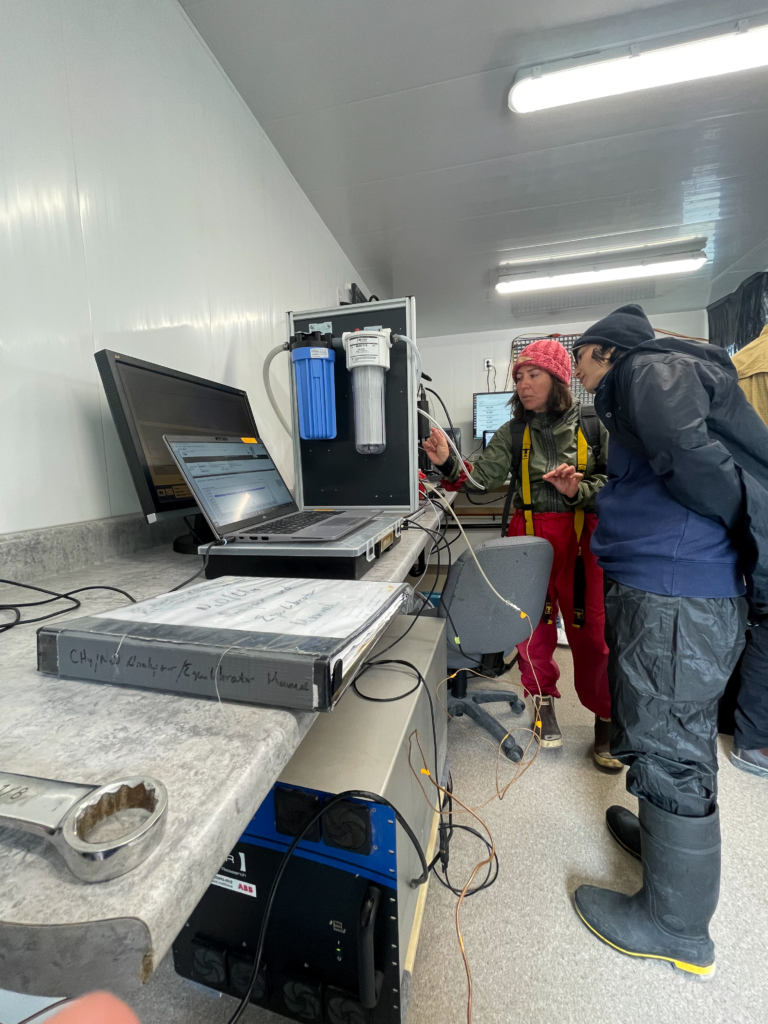
PRODIGY (Pacific Rim Ocean Data Information and Technology) field school is bridging the fields of oceanography, geophysics, computer science, and statistics to support advanced training in ocean observation, prediction, and knowledge mobilization. The cohort from the spring of 2026 worked to install another suite of sensors and collect data for various projects!
History
This modern laboratory has a very interesting history. It was initially built as an attempt at farming pearls from abalone. Though this first venture was unsuccessful, the building was renovated and now serves as a crucial node for ocean observation in The Barkley Sound.